Building Products Forces Better Technical Judgment
· 1 min read · 0 views
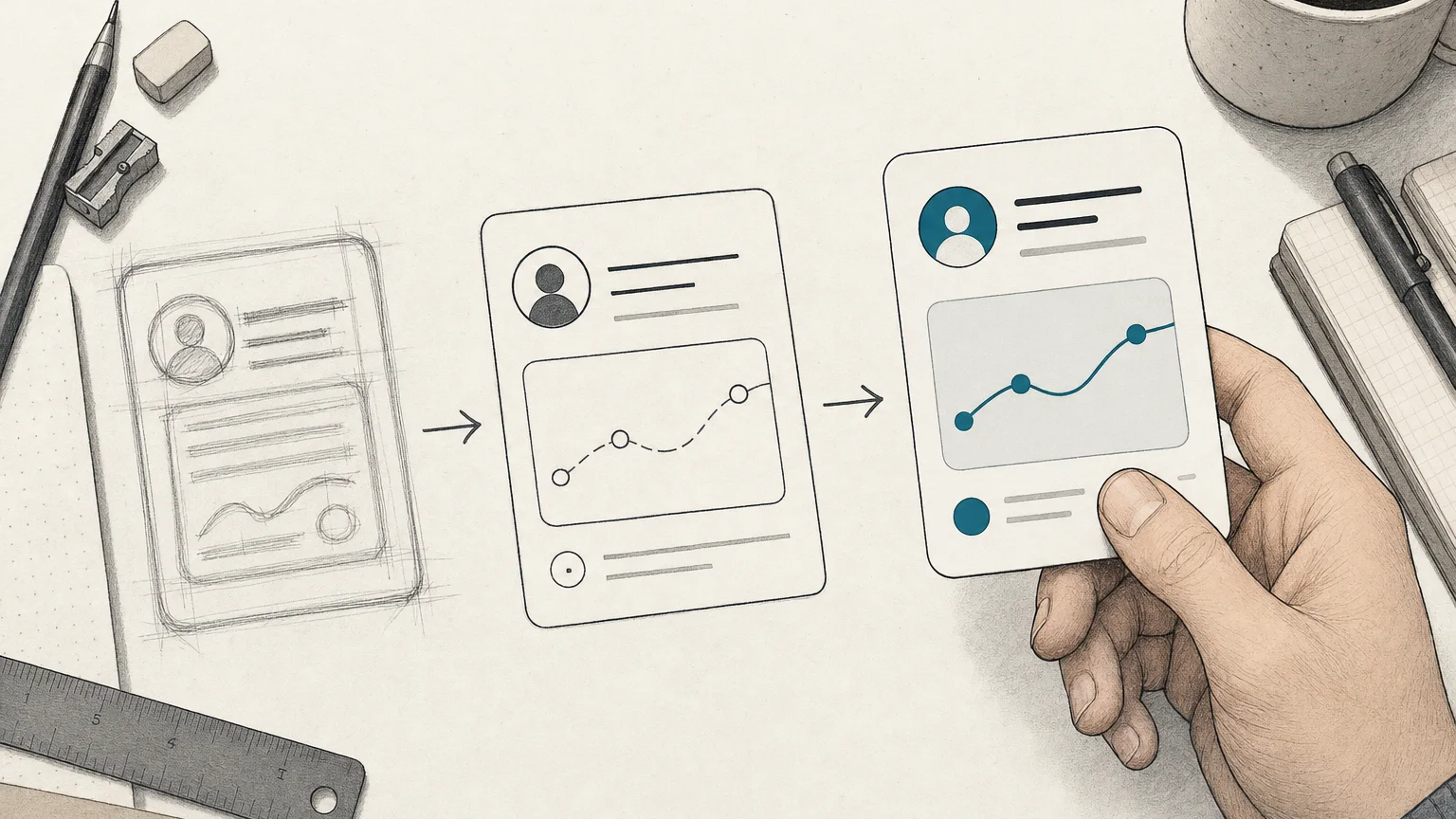
The more time I spend building products, the more I appreciate how different it is to move from a prototype to something a real user might rely on.
In research, it is often enough to show that an idea works under the right assumptions. In products, that is only the beginning.
You have to think about consistency, workflow design, trust, evaluation, usability, and whether the system still feels valuable when the user is not technical and the input is far from perfect.
That shift has shaped how I think about projects like ResumeTailor and the grading tool work I’ve worked on.
What interests me in these systems is not just whether AI can generate something impressive once. It is whether the surrounding workflow is strong enough that the user would actually want to depend on it.
That means the model is only part of the story. The surrounding system matters just as much:
- how information is structured
- how outputs stay consistent
- how much cleanup the user still has to do
- how trust is earned over repeated use
Good AI products require more than capable models. They require disciplined systems thinking around the model.
That is one of the main lessons I keep seeing as I build.
Originally posted on LinkedIn.