Writing
Blog
Browse tags →Essays, experiments, and build logs.
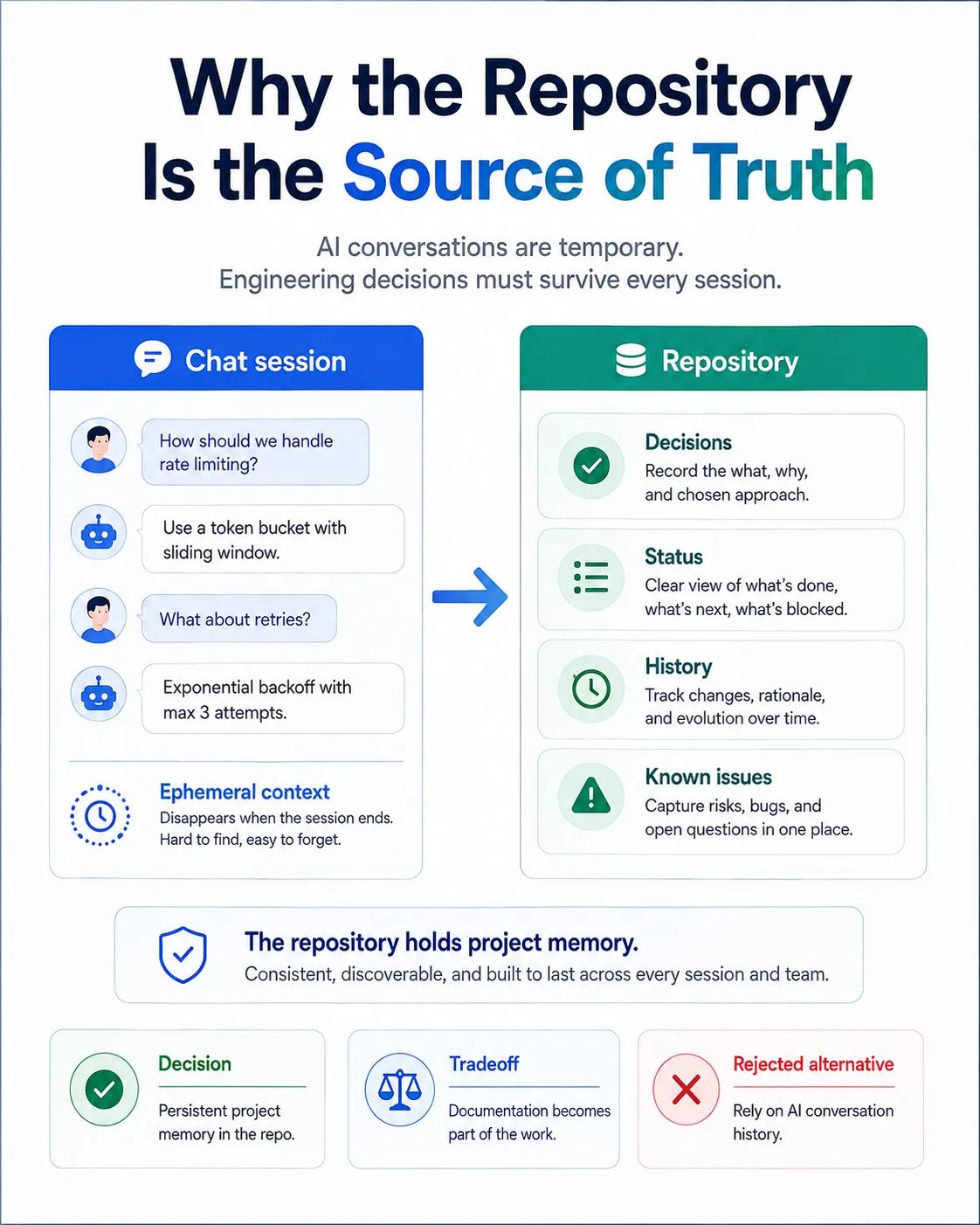
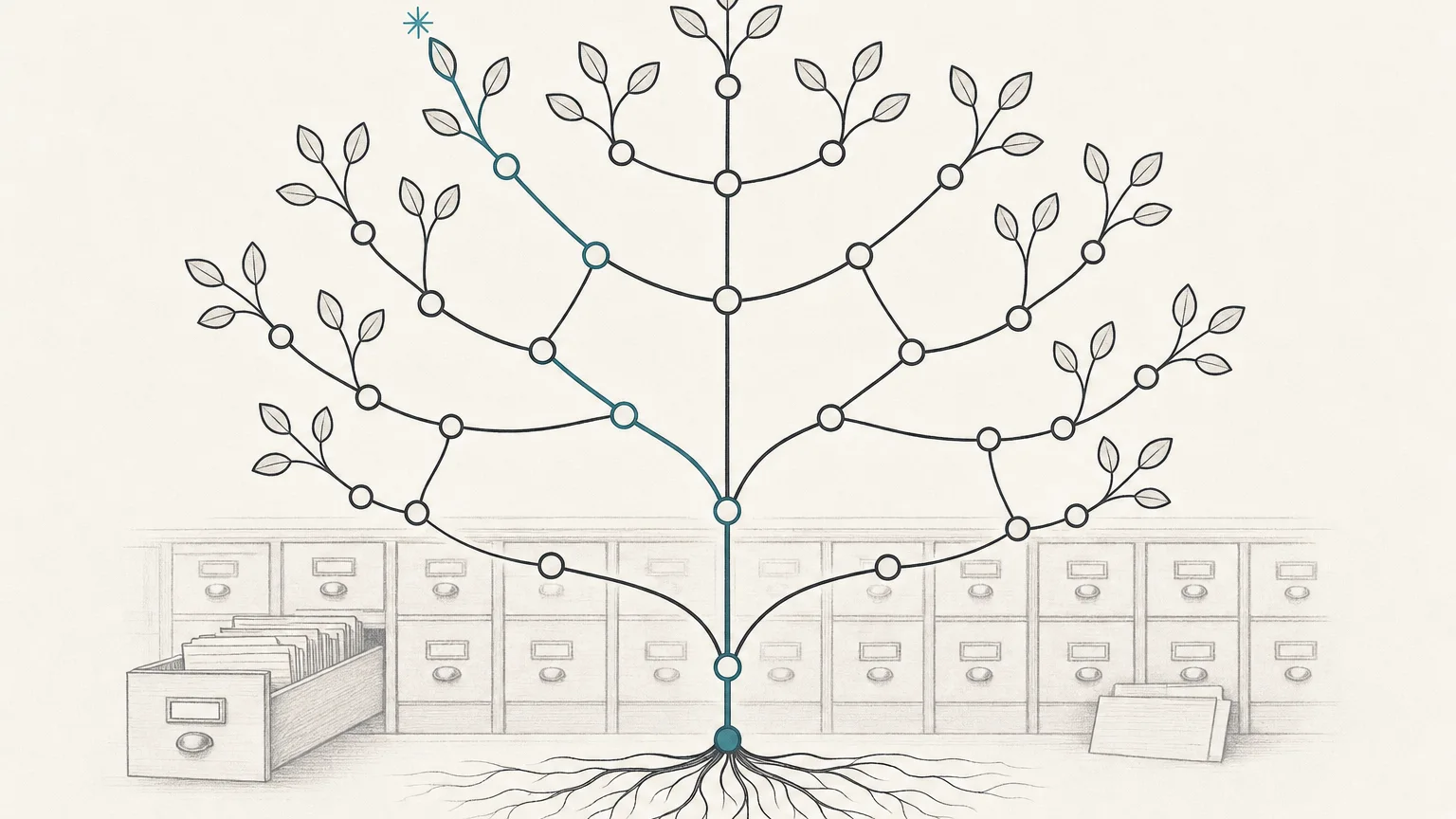
When AI agents help build a large system, conversation history cannot be the project’s memory. Sessions end. Context gets compacted. Agents change. A decision made in one conversation can disappear…
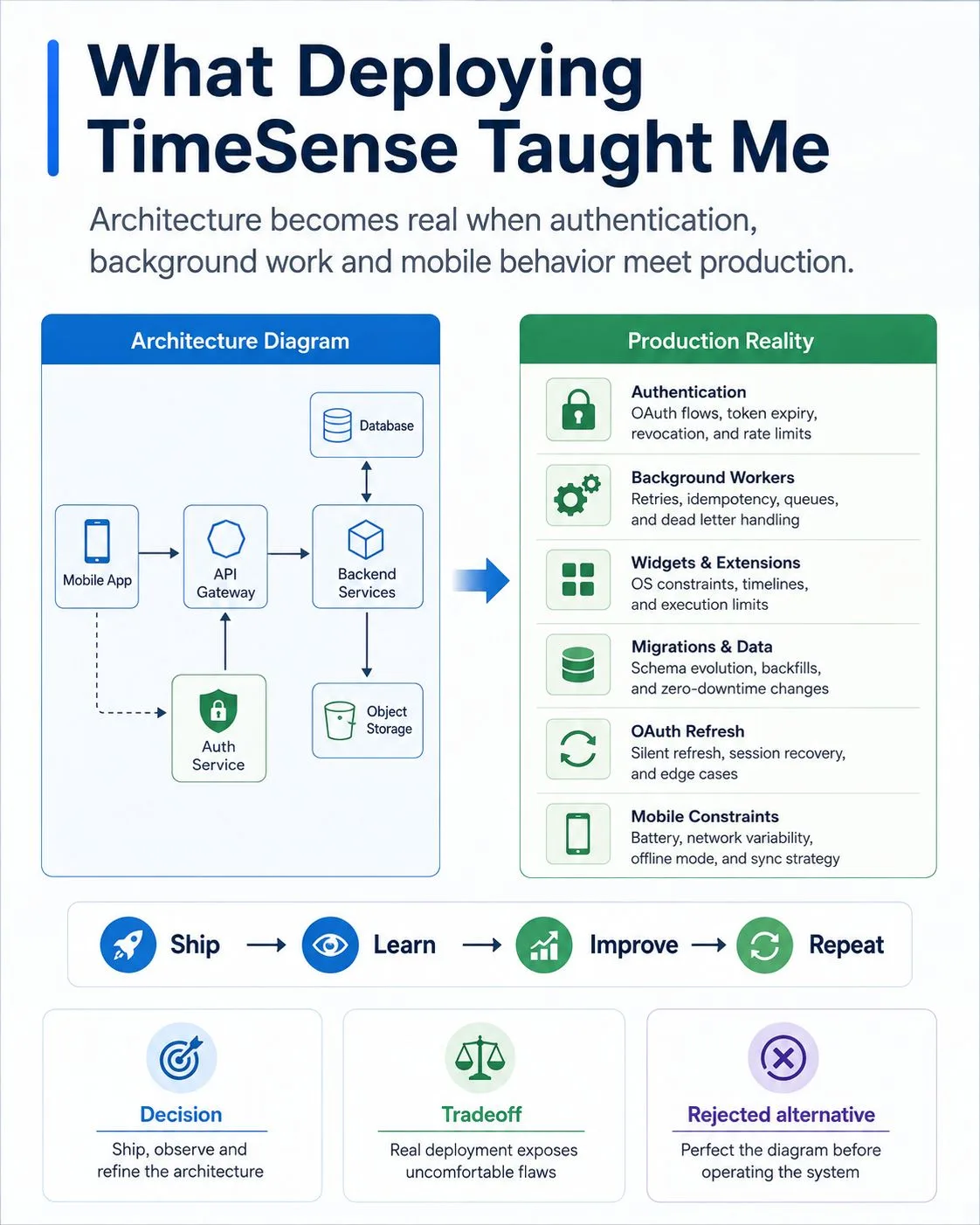
What Deploying TimeSense Taught Me
2026-10-26An architecture diagram can make every boundary look clean. Deployment reveals where the real boundaries are. With TimeSense, production work exposed issues that were easy to miss in isolation…
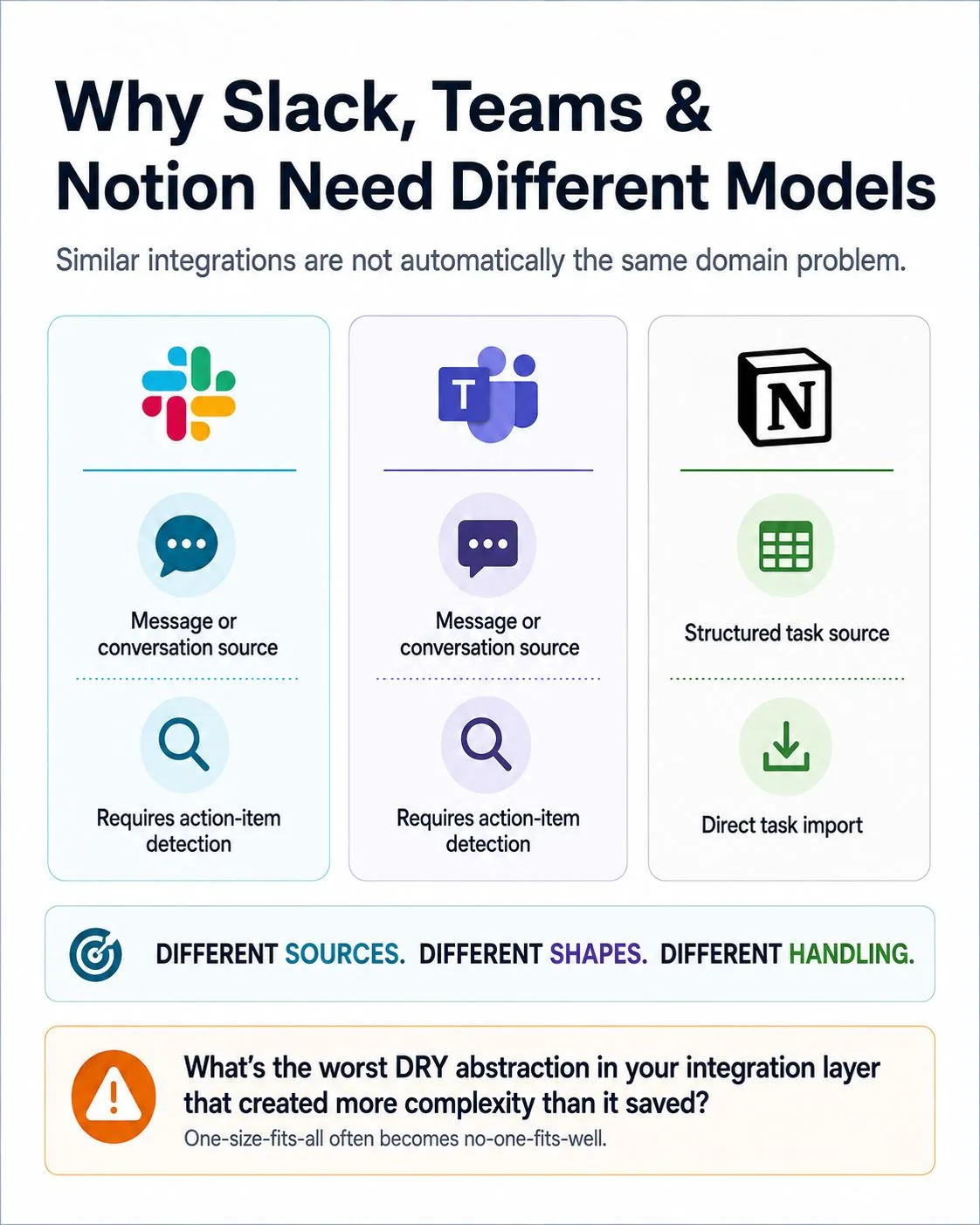
Slack, Microsoft Teams and Notion can all produce work items for TimeSense, but they should not be modeled identically. Slack and Teams contain noisy message streams. An LLM has to determine whether…
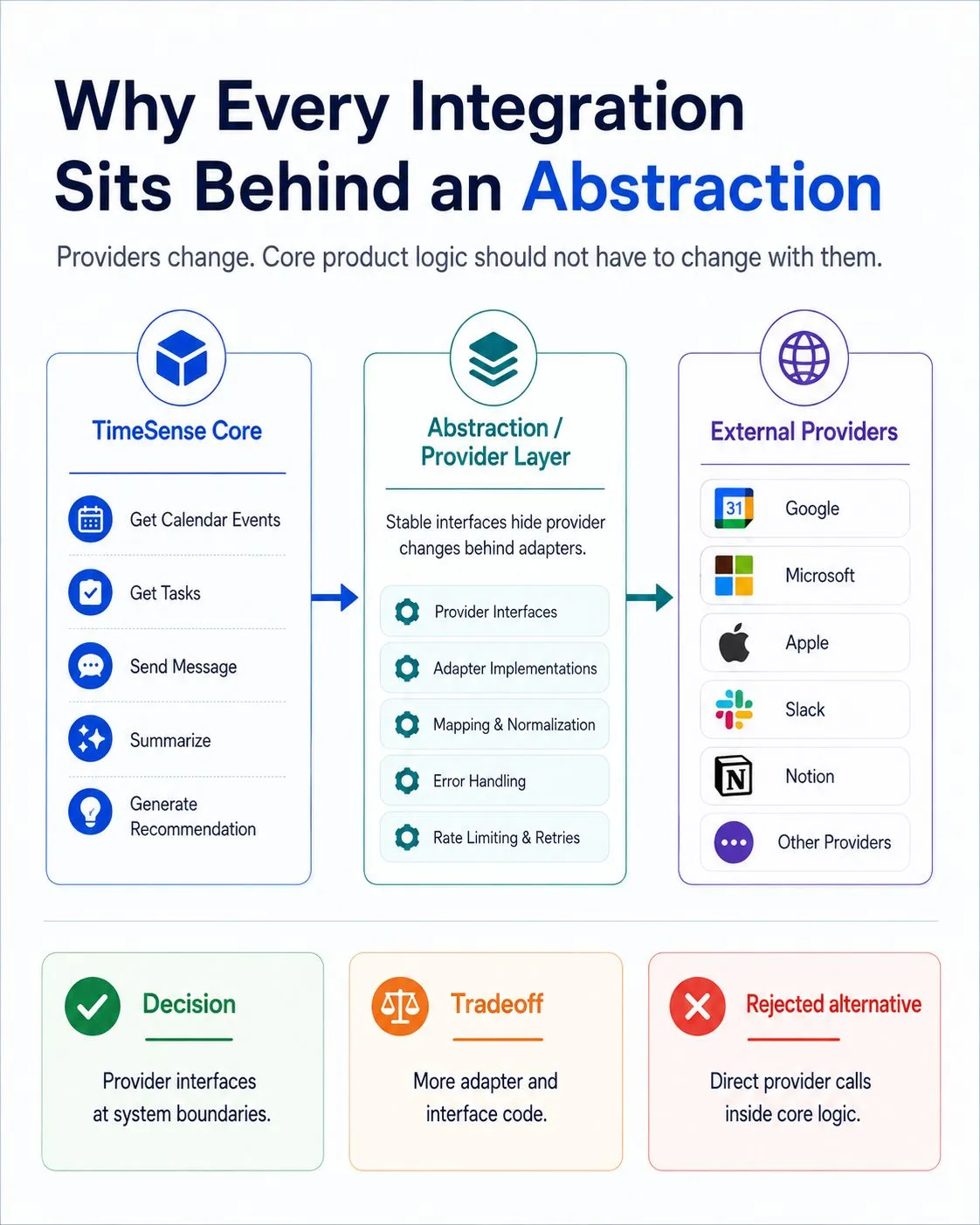
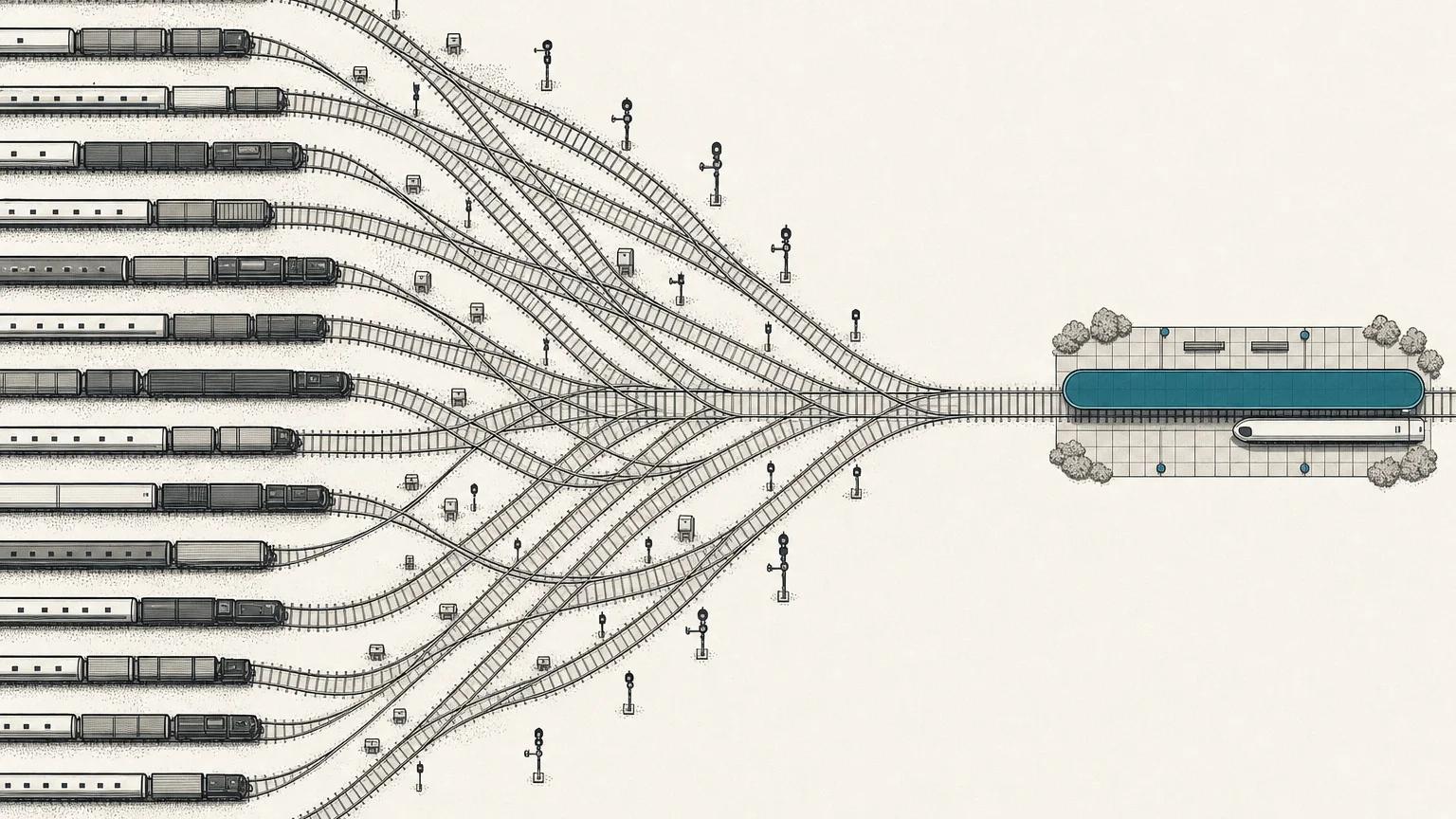
TimeSense connects to systems such as calendars, messaging platforms, task sources and LLM providers. The easiest implementation would have been to call each external API directly from the core…
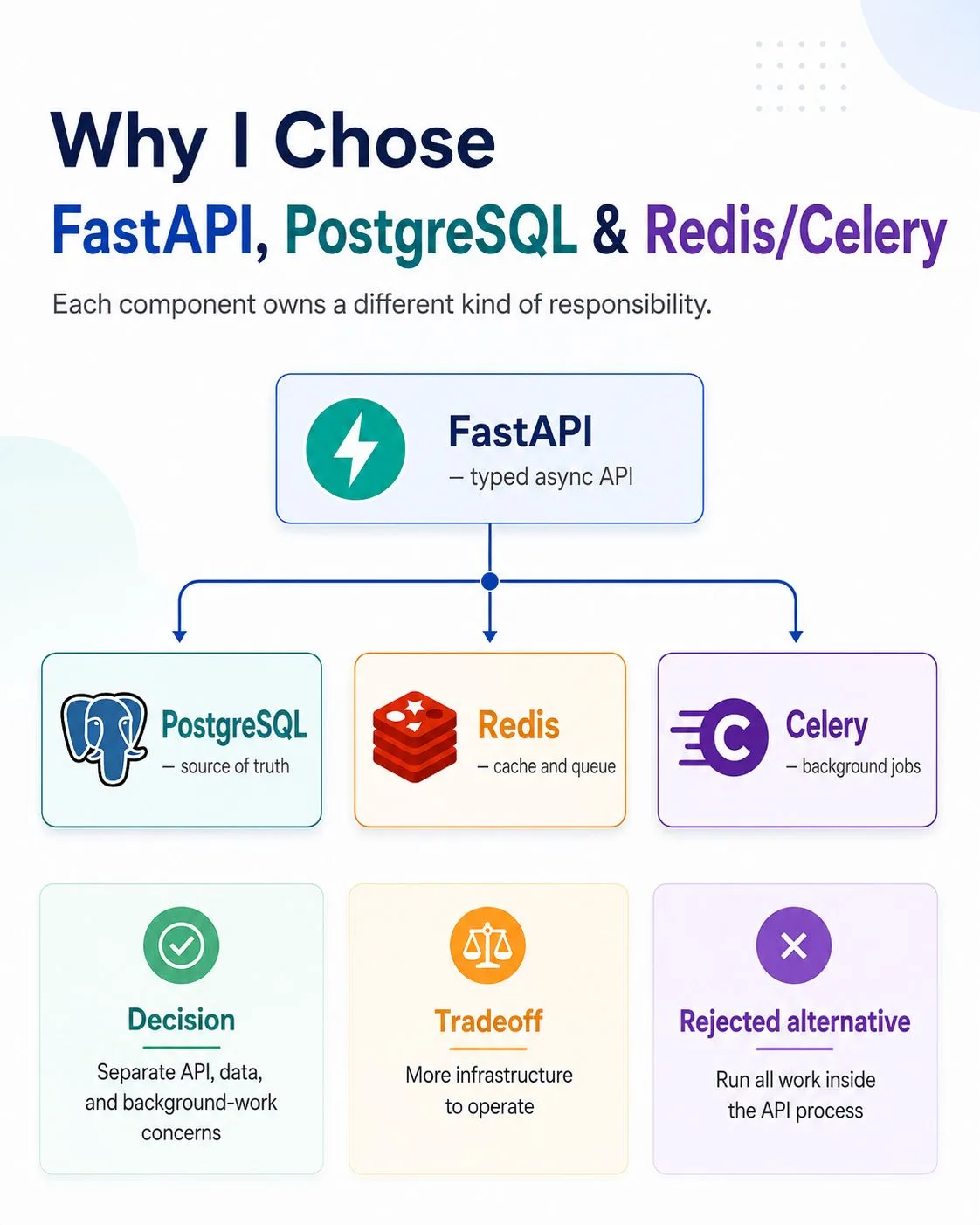
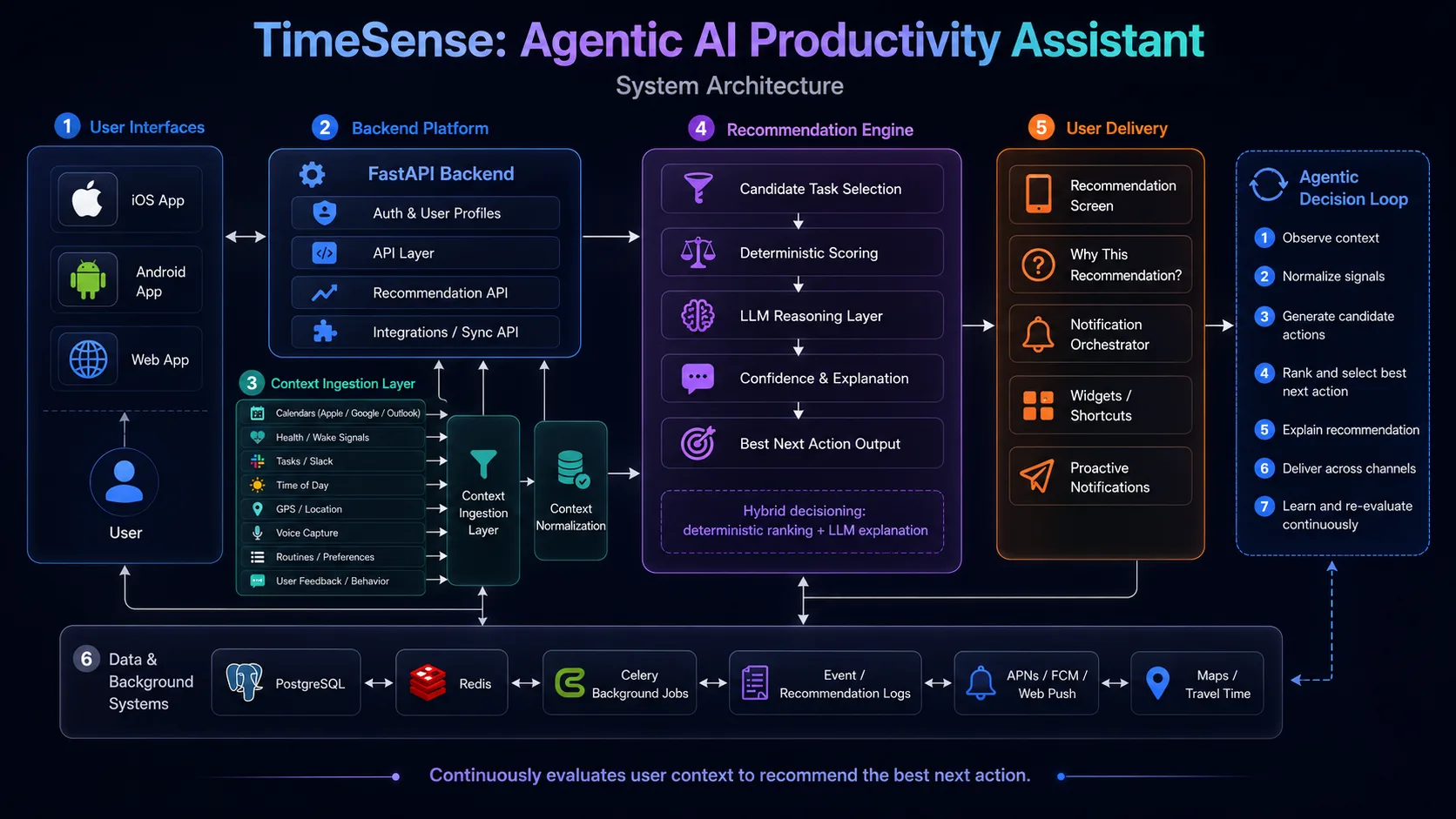
TimeSense uses FastAPI, PostgreSQL and Redis/Celery, but not because they form a fashionable stack. Each component solves a different problem. FastAPI provides typed API contracts and works well with…
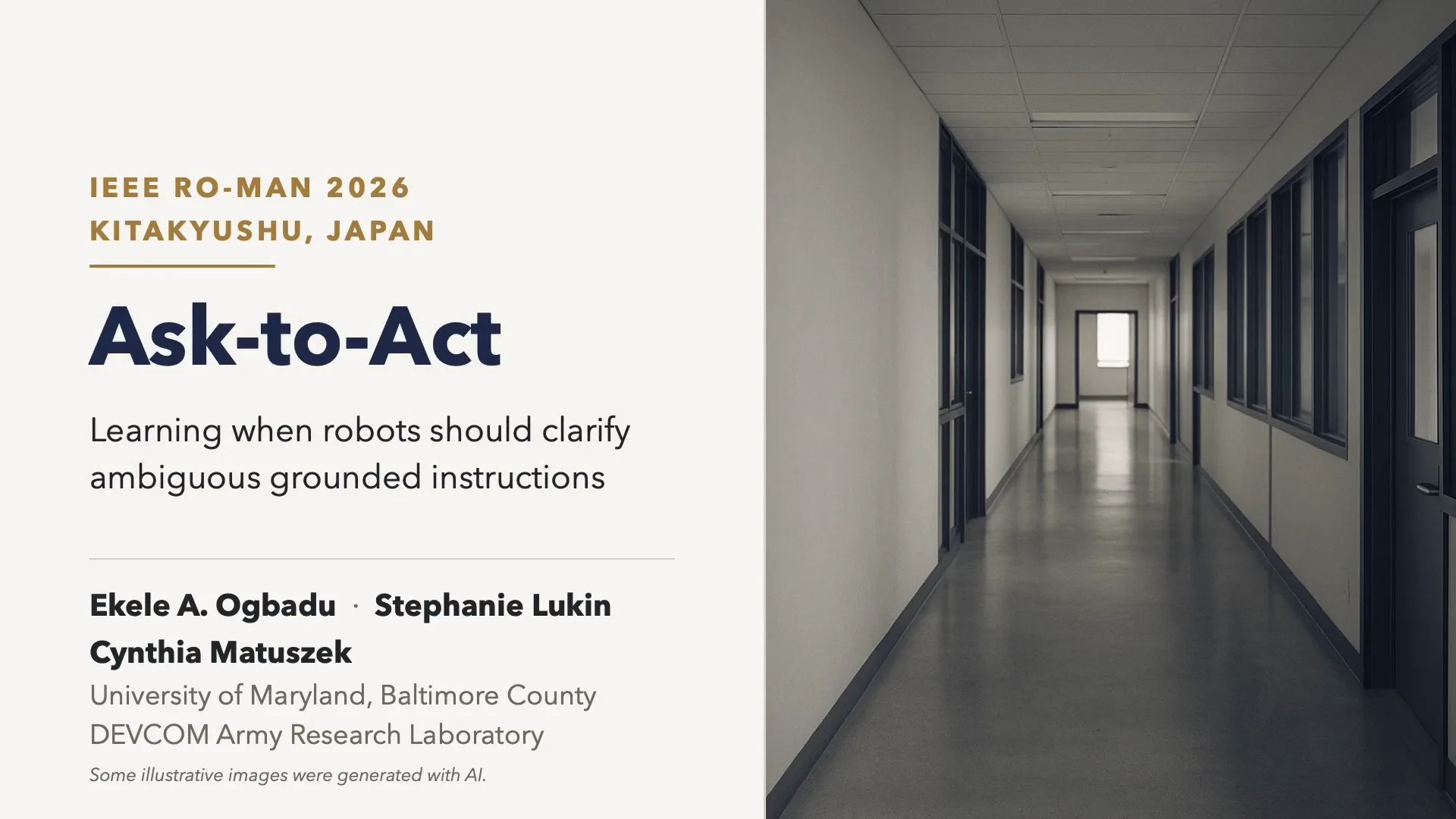
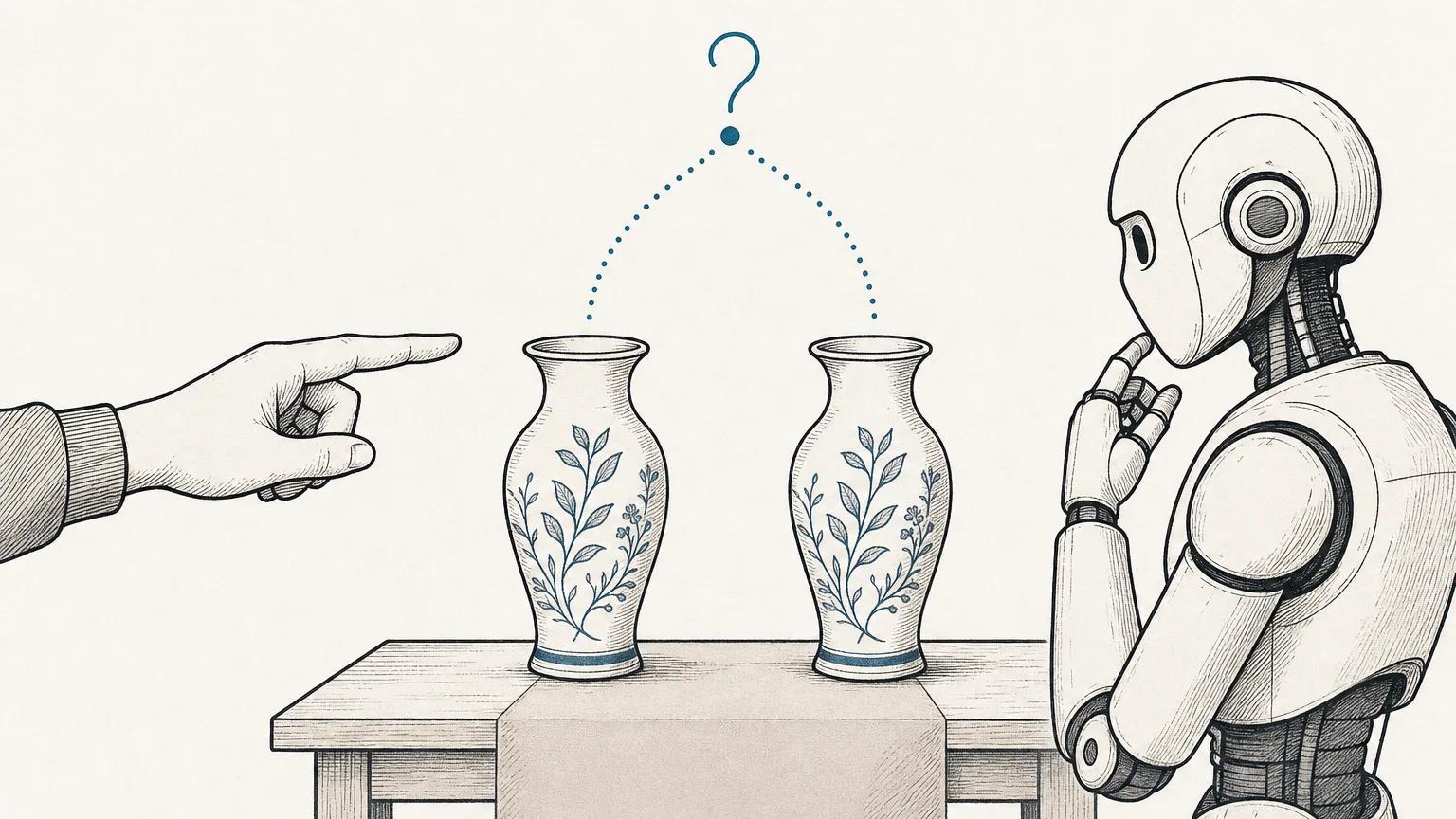
I recently shared a little about my time at IEEE RO-MAN 2026. Here’s a recording of my presentation on Ask-to-Act. The question behind the work is simple: when someone gives a robot an ambiguous…
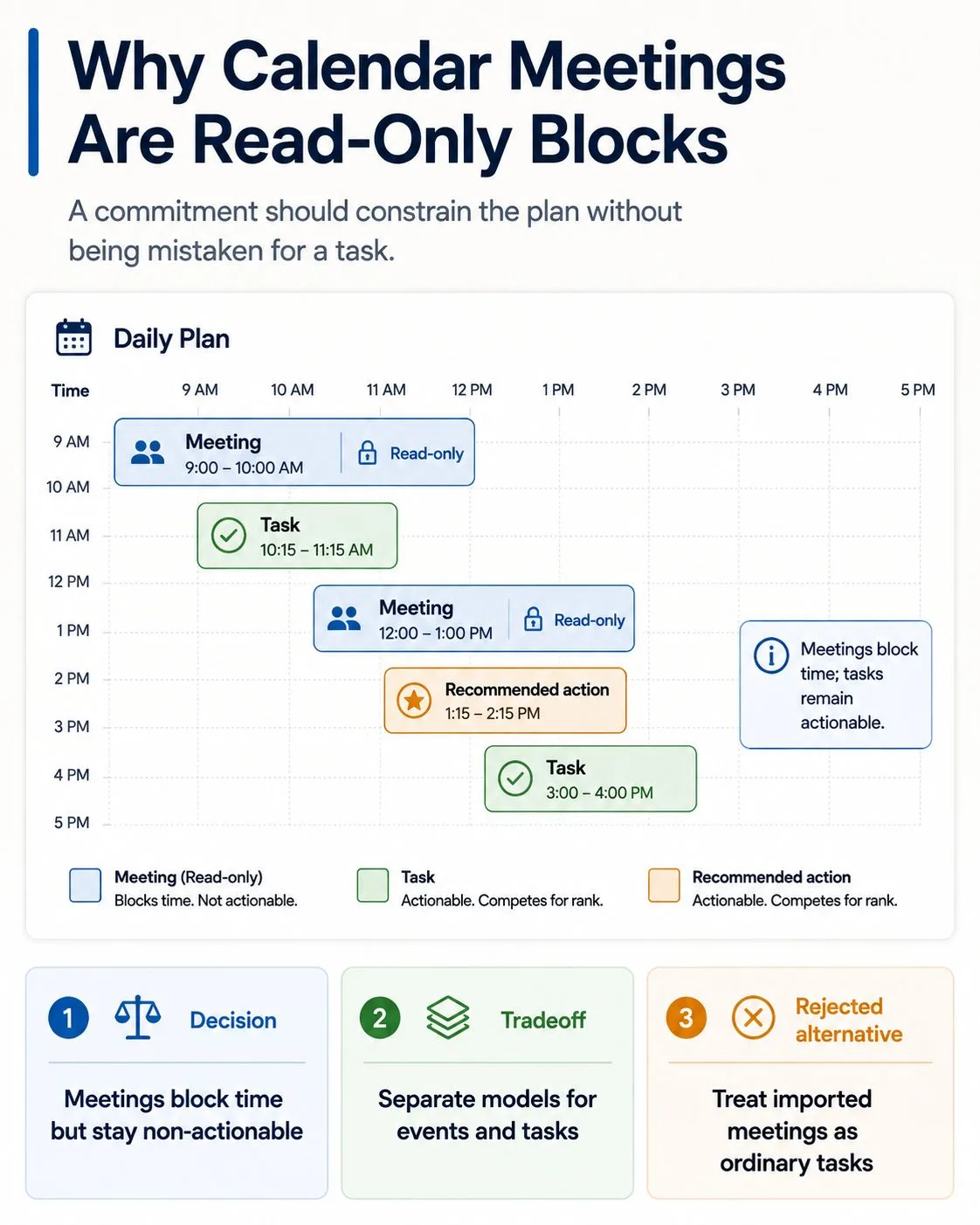
One of the most important corrections I made in TimeSense came from using the app on a real device. Calendar meetings were initially represented too much like tasks. That created contradictions…
Last month, I traveled to Kitakyushu, Japan, to present my first-author paper (Ask-to-Act: Learning When Robots Should Clarify Ambiguous Grounded Instructions) at IEEE RO-MAN 2026. It wasn’t my first…
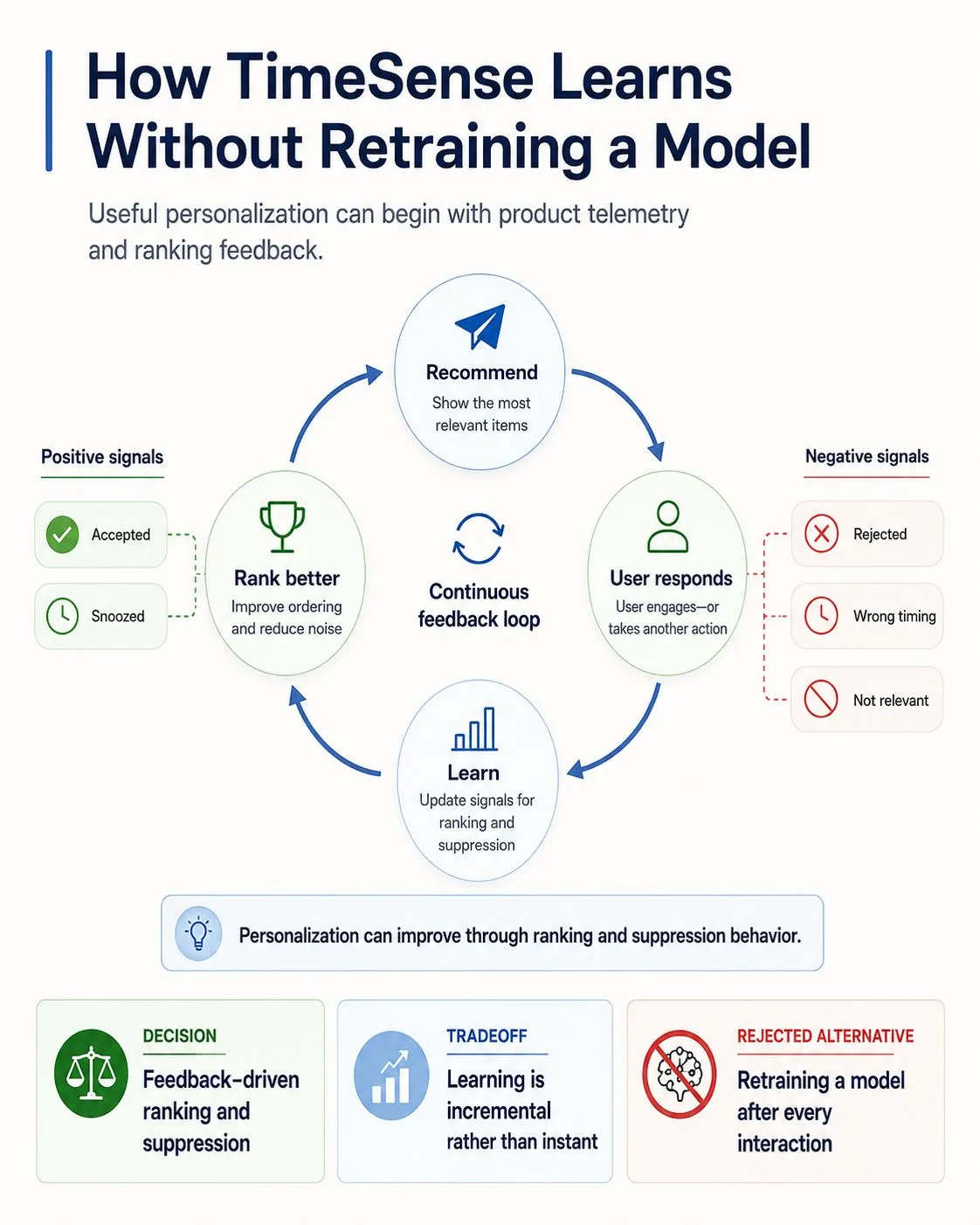
An AI product does not need to retrain a model after every interaction to become more useful. TimeSense records how recommendations perform: Was the suggestion accepted? Was it completed, snoozed or…
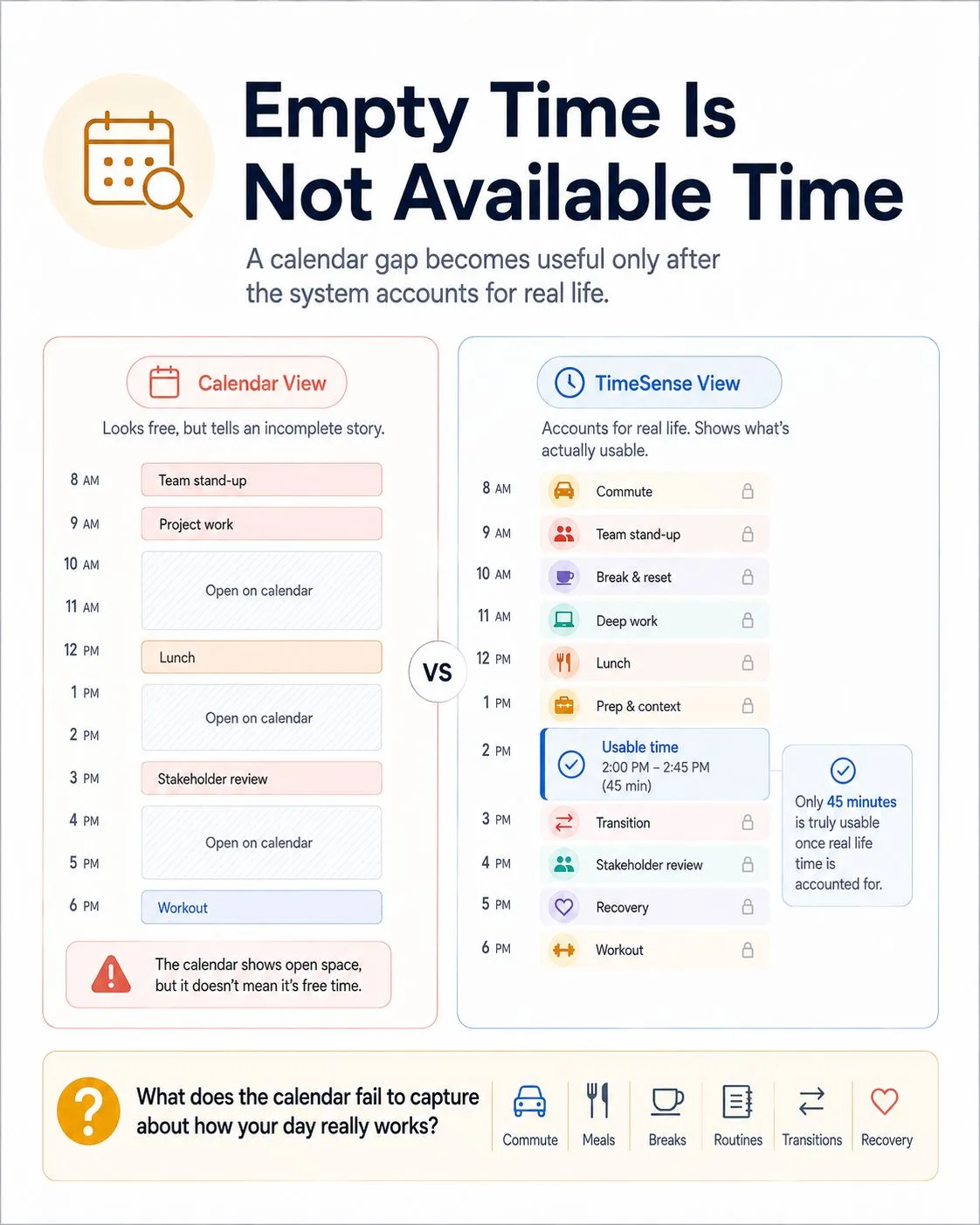
Empty Time Is Not Available Time
2026-09-14A 45-minute gap on a calendar does not necessarily mean someone has 45 minutes available. They may need to commute, eat, prepare for the next meeting, recover from poor sleep or complete a routine…
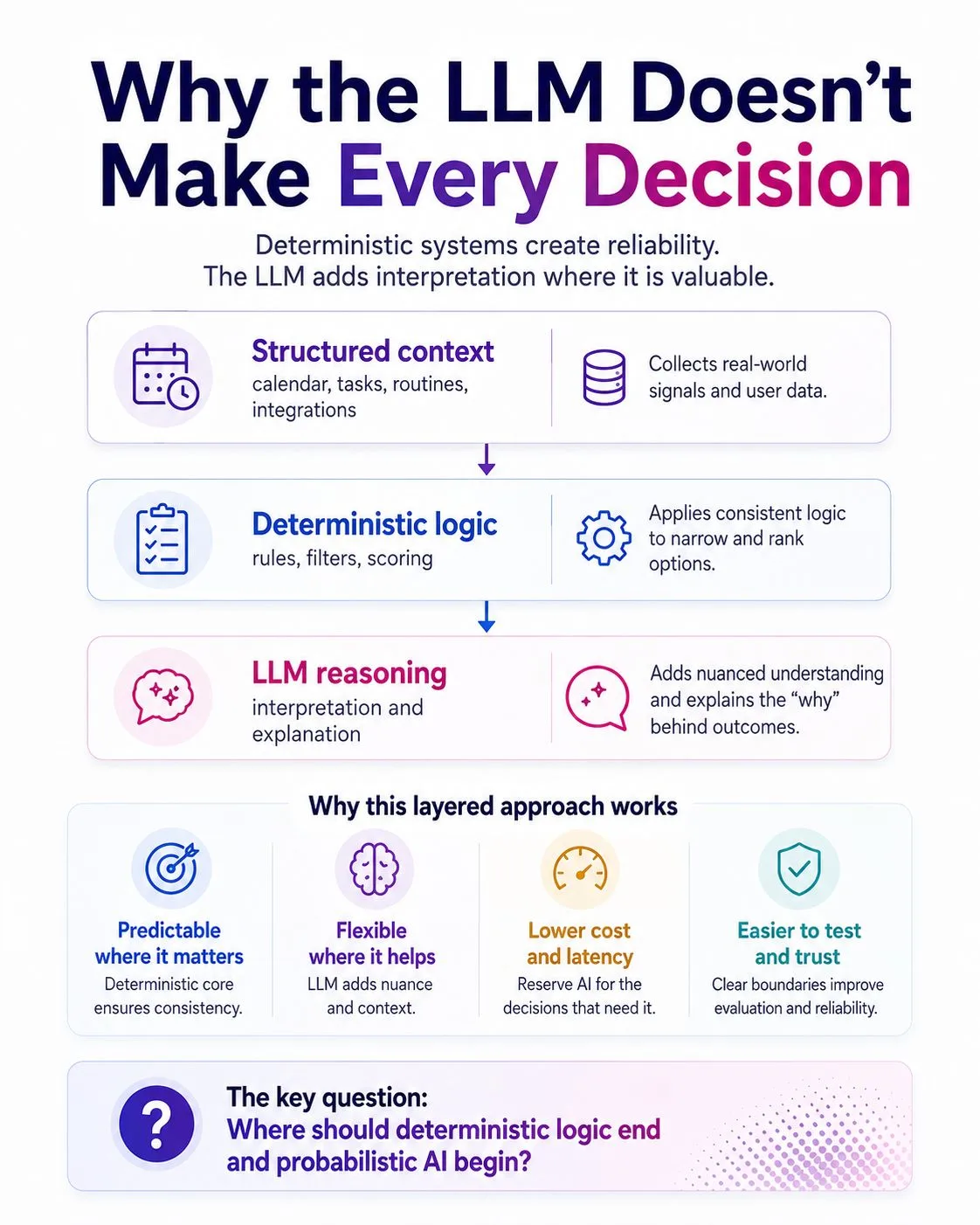
Why the LLM Doesn’t Make Every Decision
2026-09-07TimeSense uses an LLM, but the LLM is not the entire architecture. The system first gathers structured context: calendar commitments, tasks, routines, sleep, meals, commute signals, deadlines and…
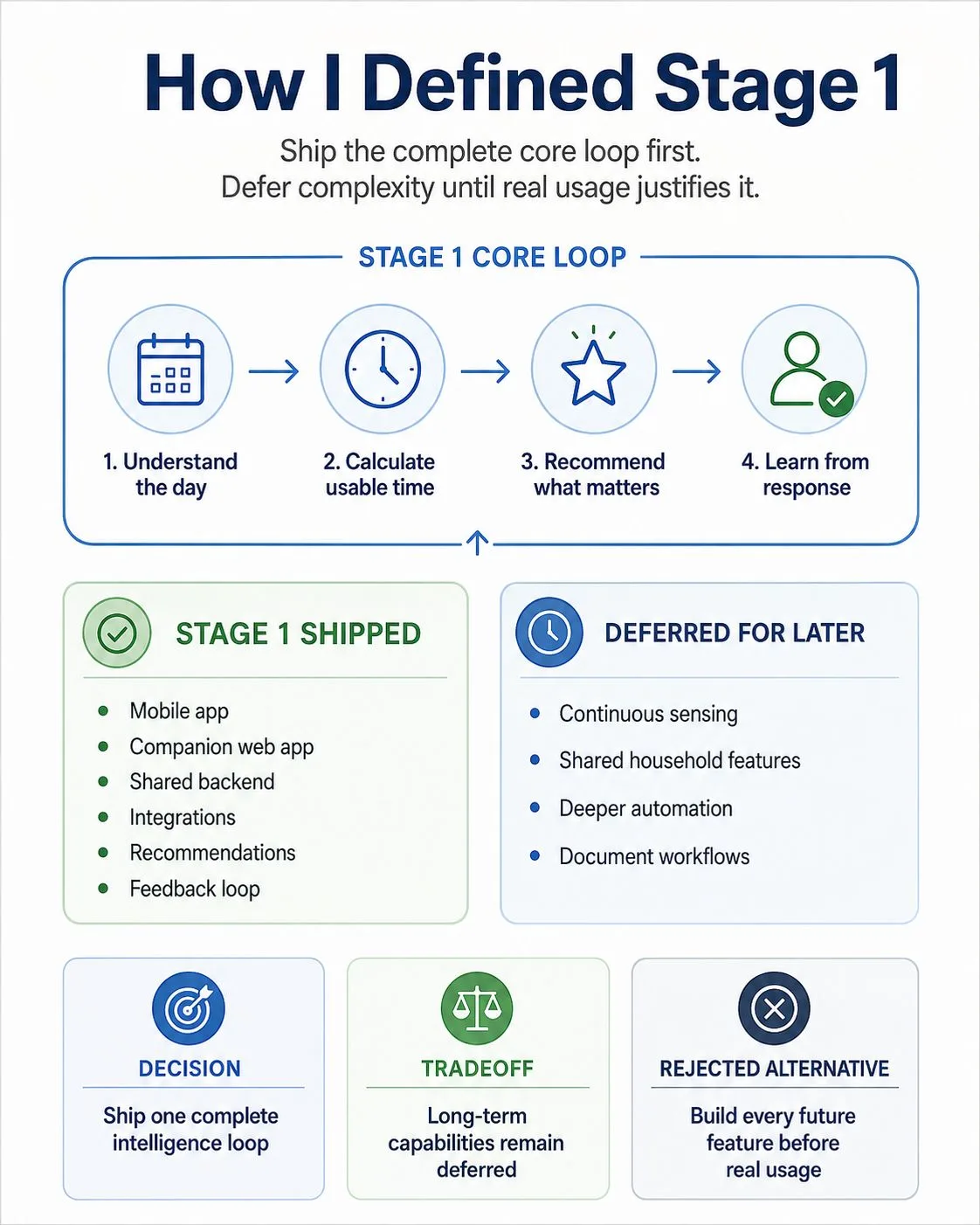
How I Defined Stage 1
2026-08-31I did not define Stage 1 of TimeSense as “a little bit of everything.” I defined it around one complete loop: Understand the day → calculate usable time → recommend what matters → learn from the…
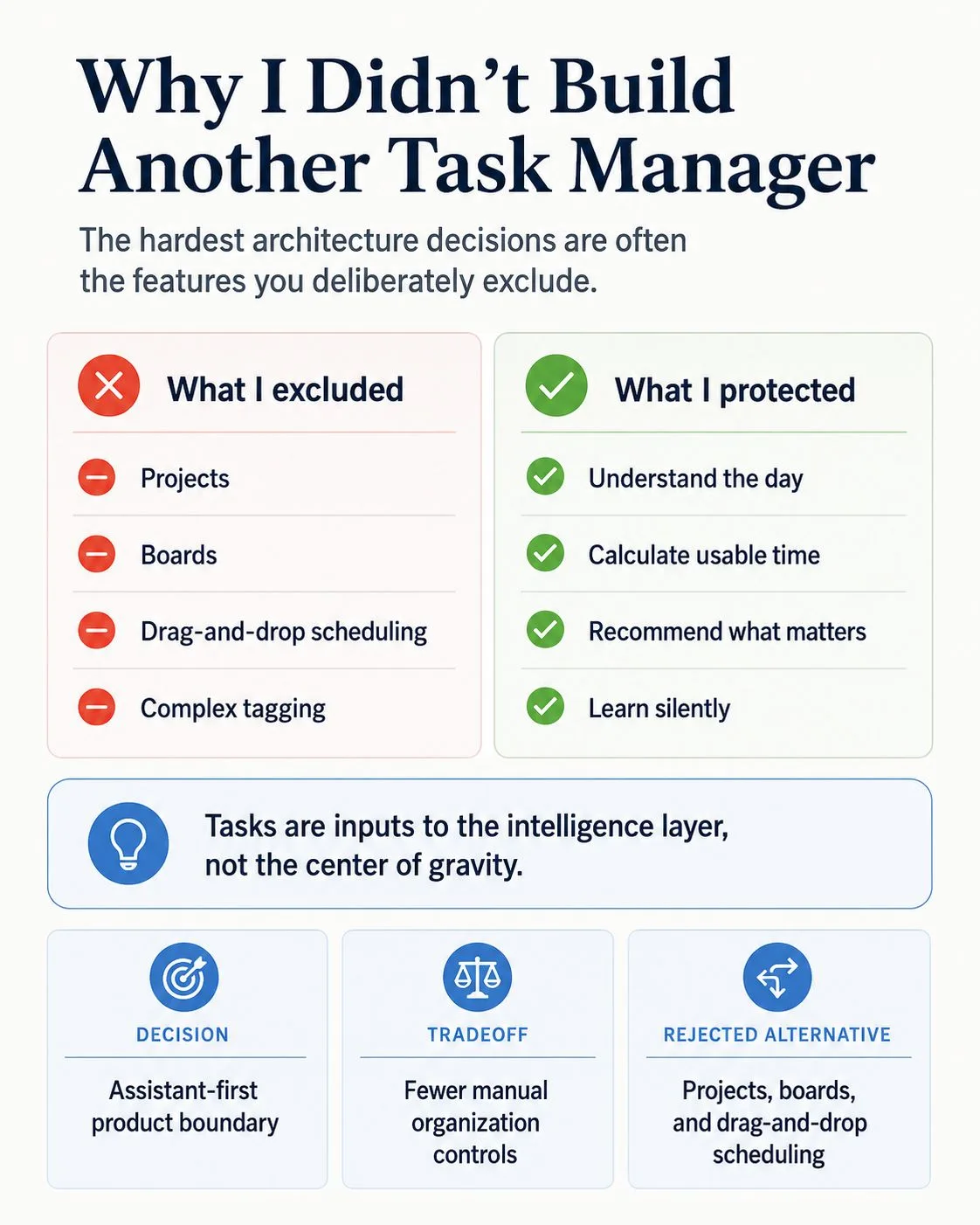
Why I Didn’t Build Another Task Manager
2026-08-10TimeSense could easily have become another task manager. Projects, boards, labels, categories, drag-and-drop scheduling and complex routines all sound useful in isolation. Together, they would…
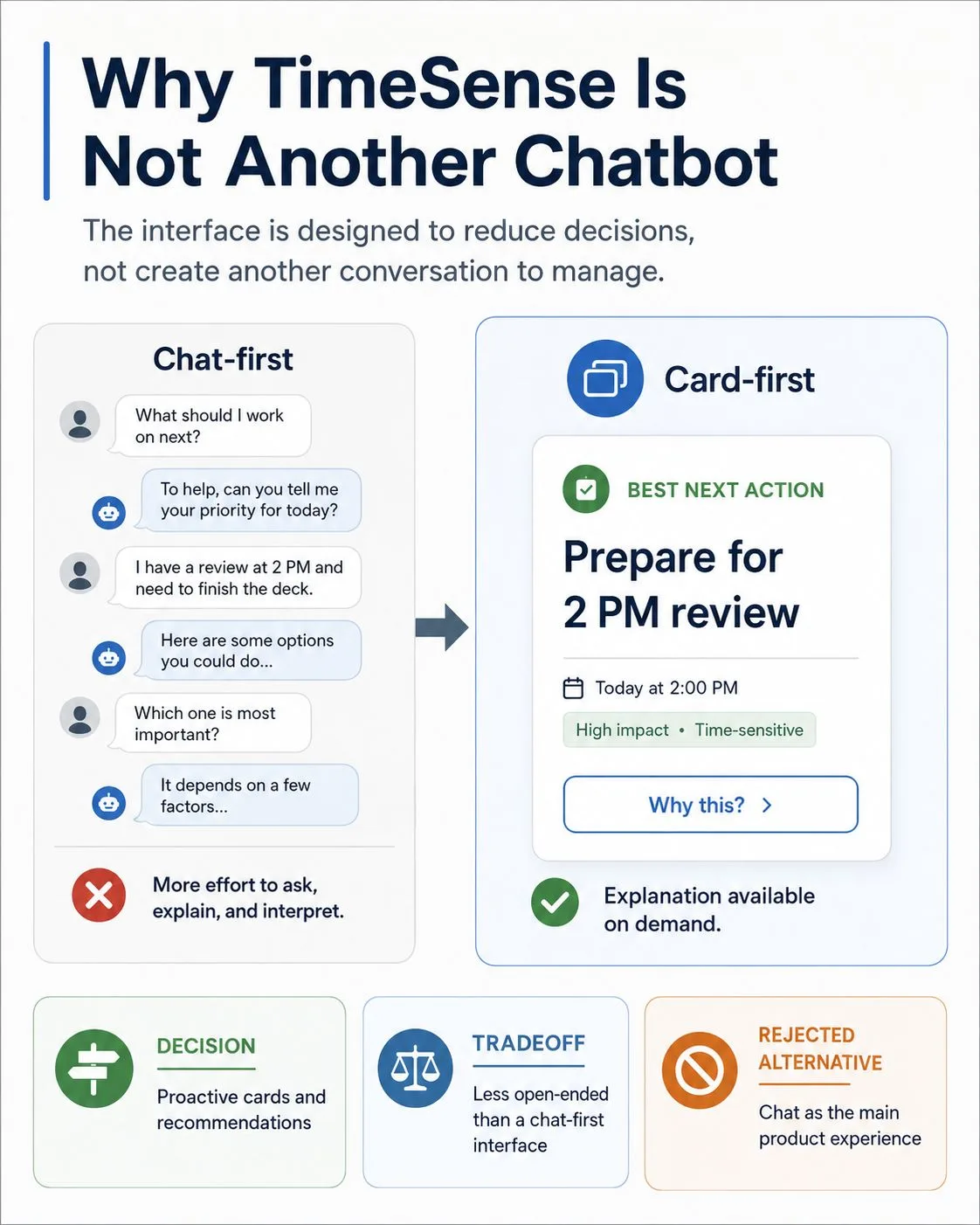
Why TimeSense Is Not Another Chatbot
2026-08-07A major product decision in TimeSense was not to make chat the primary interface. Chat is flexible, but flexibility can also create work. The user has to decide what to ask, explain context…
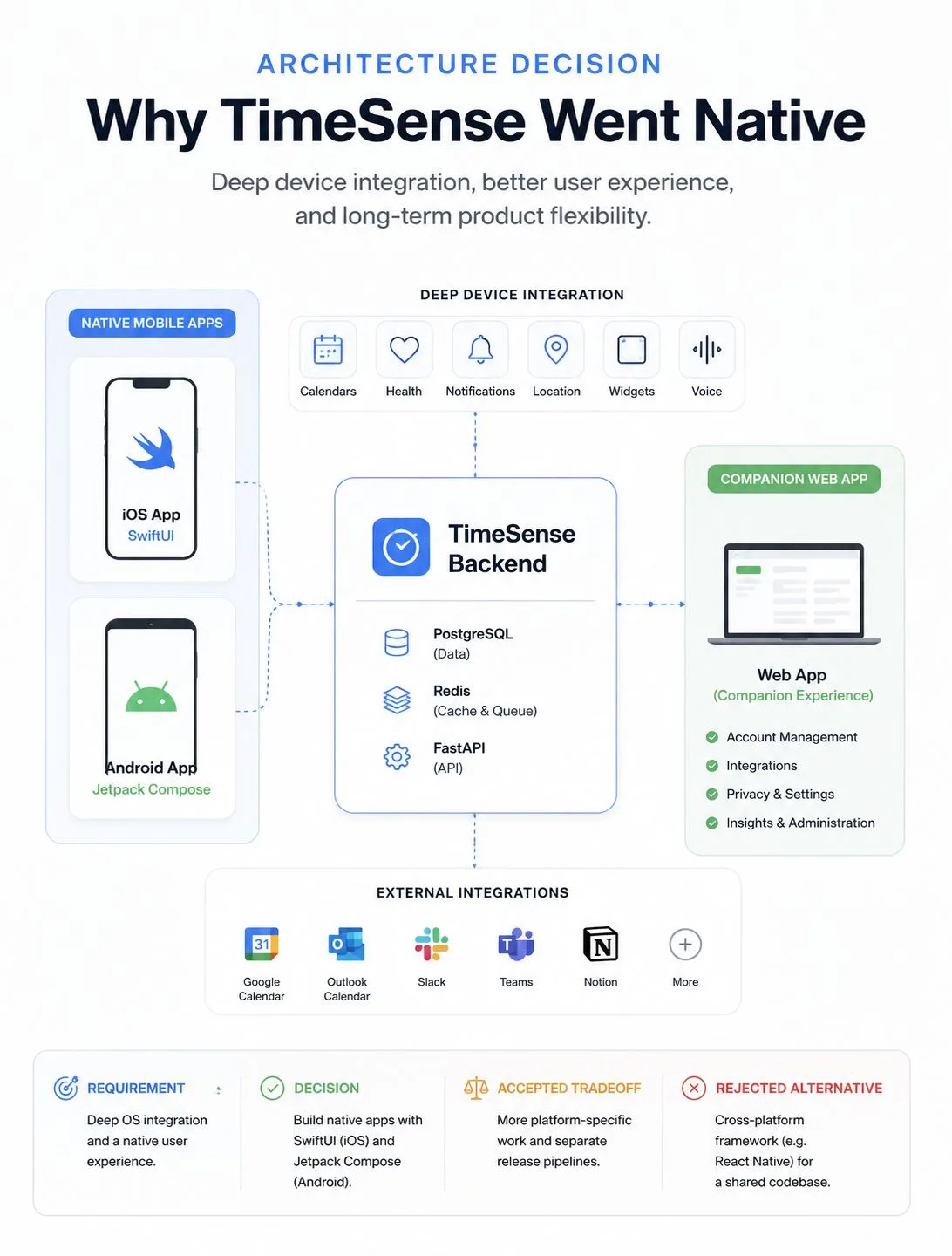
Why TimeSense Went Native
2026-07-27One of the first decisions I made with TimeSense was to build it as a true native mobile app rather than place a web application inside a mobile wrapper. I considered a cross-platform framework…
I took a two-week break from research, got bored, and decided to build a fun agentic AI project before getting back to work. Lately, I have been inspired by the Kryptonian robots in Man of Steel. In…
The kind of AI work I’m most interested in building over the next decade sits at the intersection of research depth, systems discipline, and real-world usefulness. I’m interested in AI that does more…
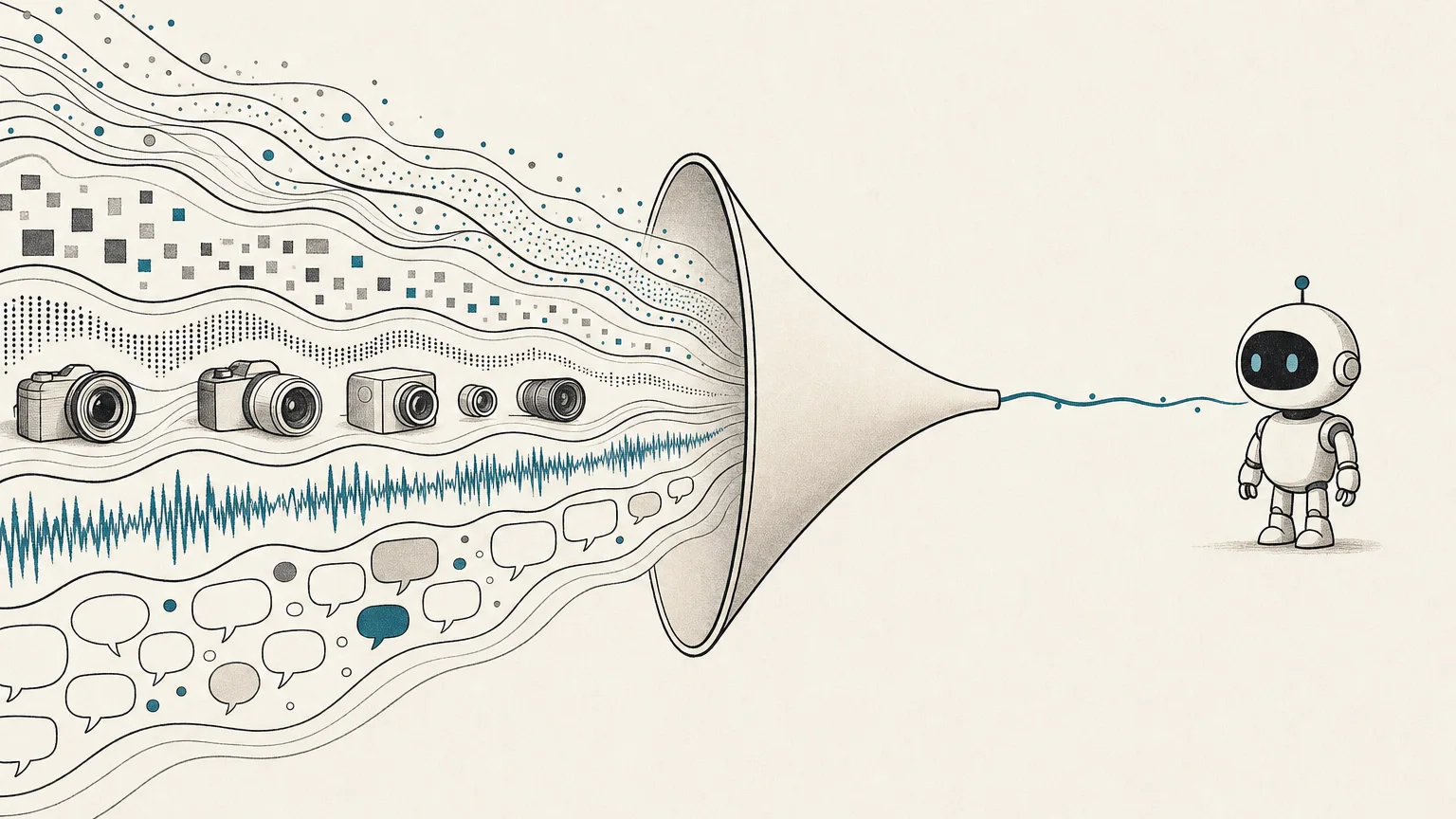
The more time I spend thinking about robotics and multimodal AI, the more I suspect that one of the biggest long-term bottlenecks is not just models. It is data infrastructure. A lot of progress in…
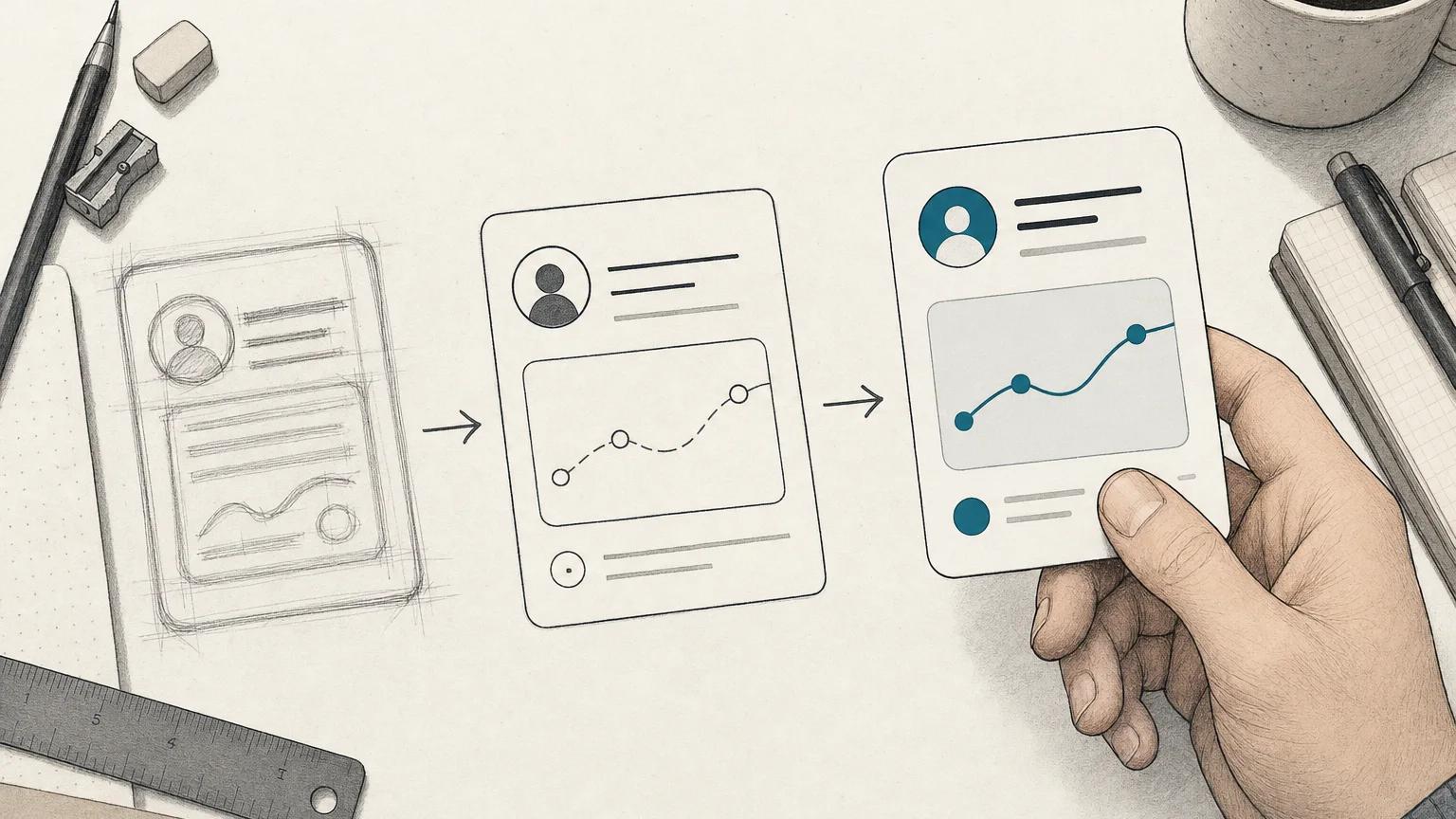
The more time I spend building products, the more I appreciate how different it is to move from a prototype to something a real user might rely on. In research, it is often enough to show that an…
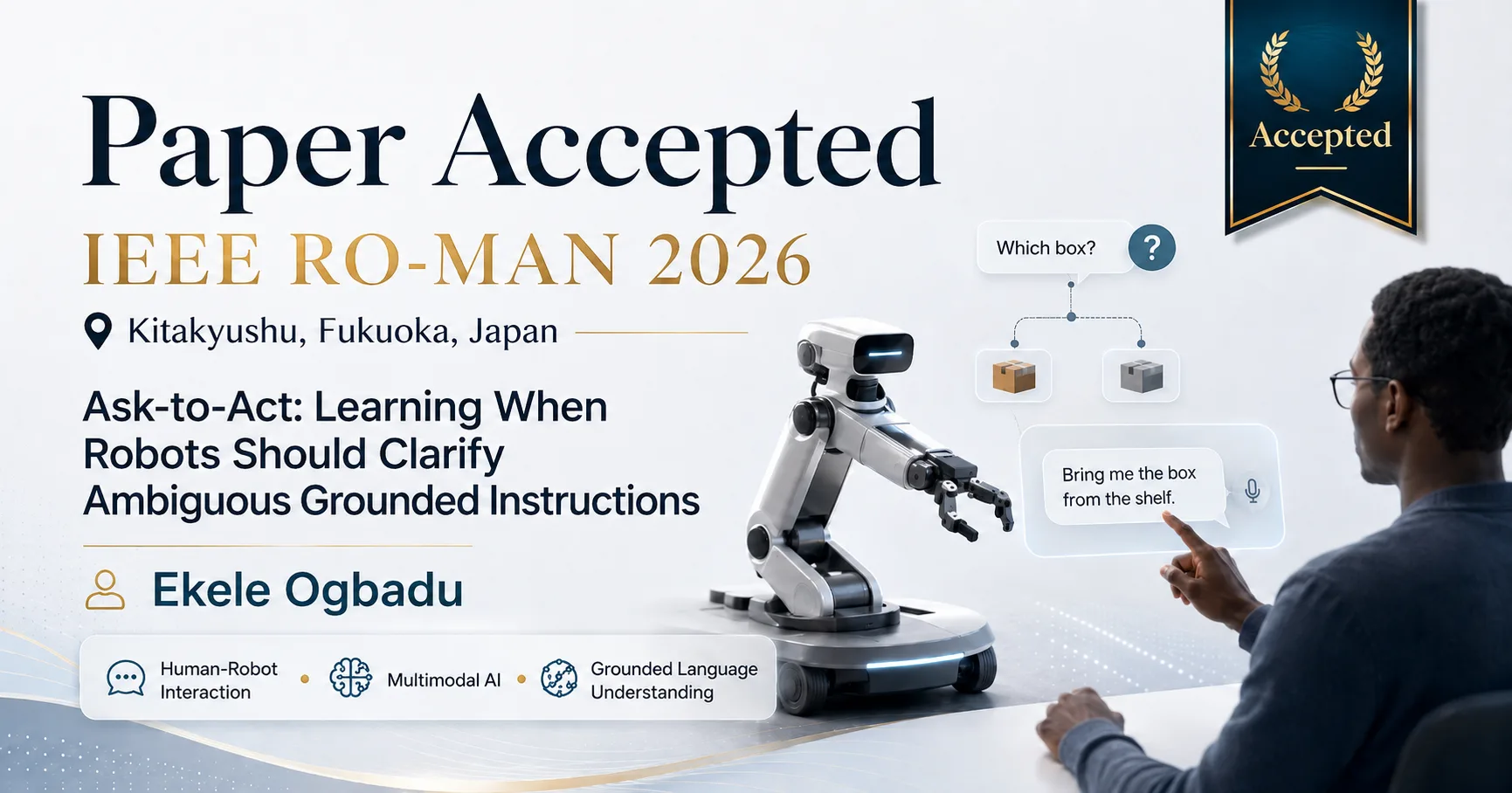
Ask-to-Act Accepted at IEEE RO-MAN 2026
2026-06-02I’m excited to share that my first author paper, “Ask-to-Act: Learning When Robots Should Clarify Ambiguous Grounded Instructions,” has been accepted to IEEE RO-MAN 2026. This work explores a simple…
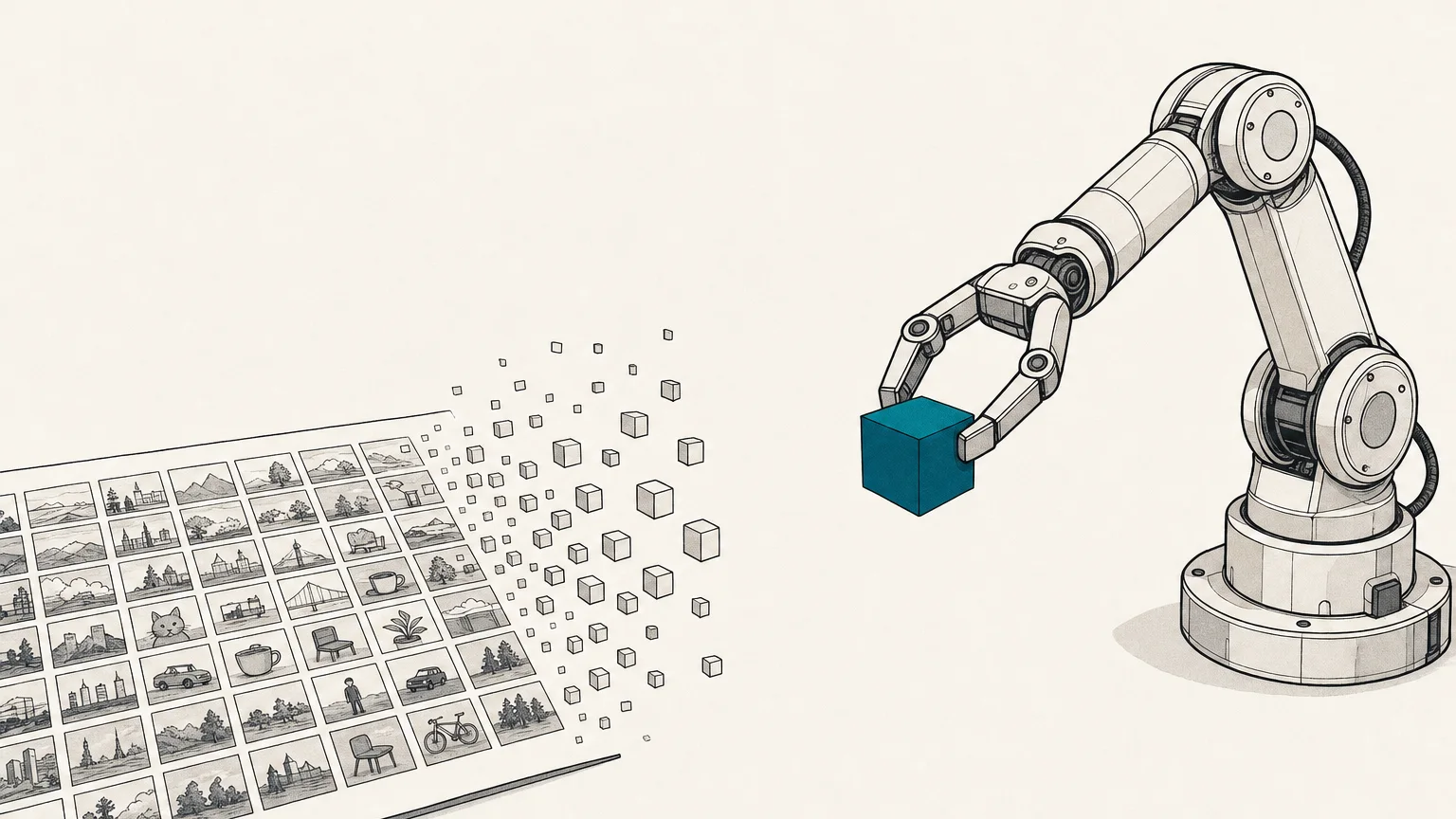
One reason I’m increasingly interested in moving grounded language work onto a physical robot is that embodiment changes the meaning of success. It is one thing for a model to perform well on a…
One thing large-scale software delivery makes very clear is that building code and delivering code at scale are related, but they are not the same discipline. Serving as a Release Manager on a $200…
SCOUT++ Release
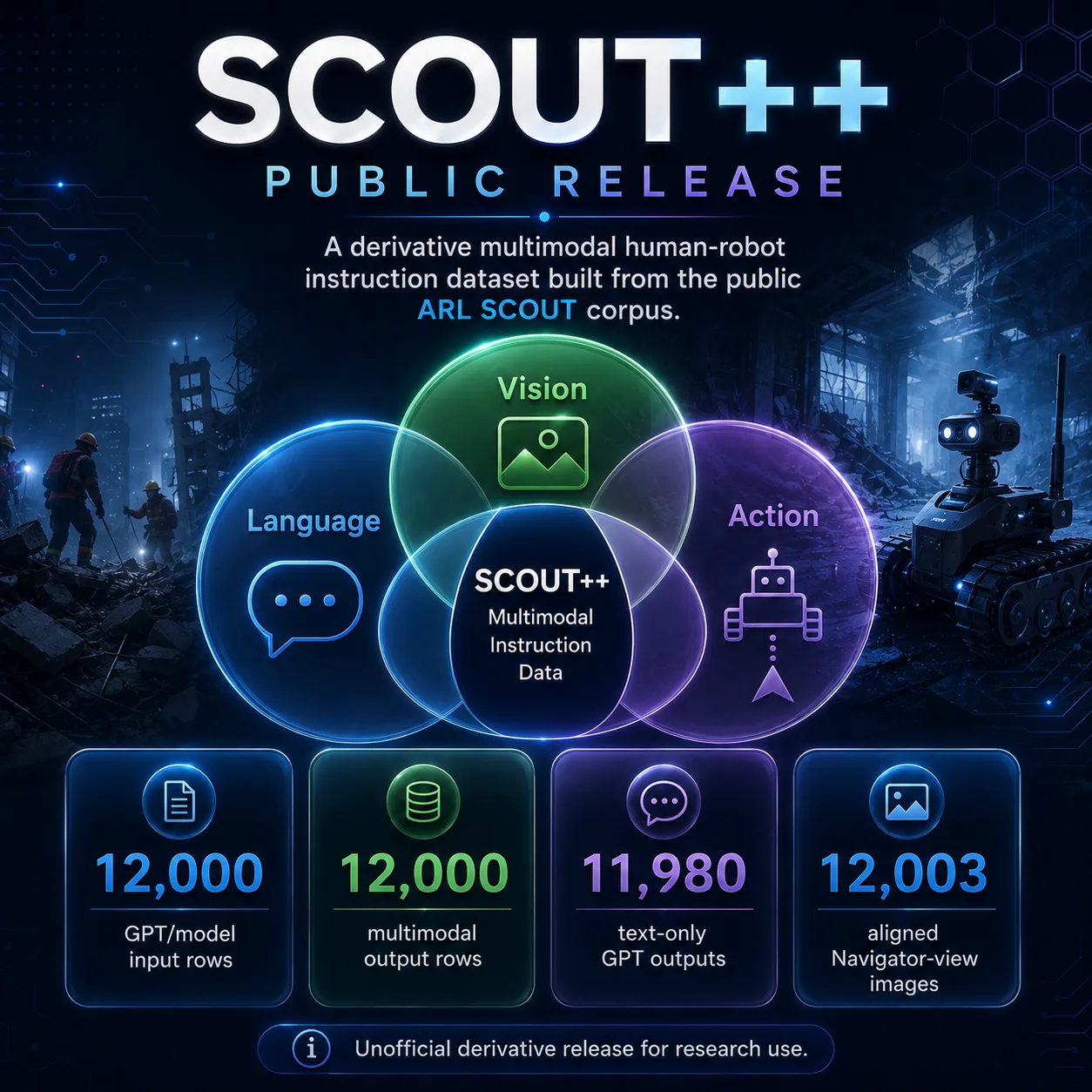
2026-05-19A public release of SCOUT++, a derivative multimodal human-robot instruction dataset built from the ARL SCOUT corpus — 12,000 model input rows, 12,003 aligned Navigator-view images, plus schema, sample data, and reproducible processing artifacts.
One thing leading technical work taught me is that strong engineering is never just about individual output. Over the years, I’ve had the chance to lead, interview, help hire, and initially train…
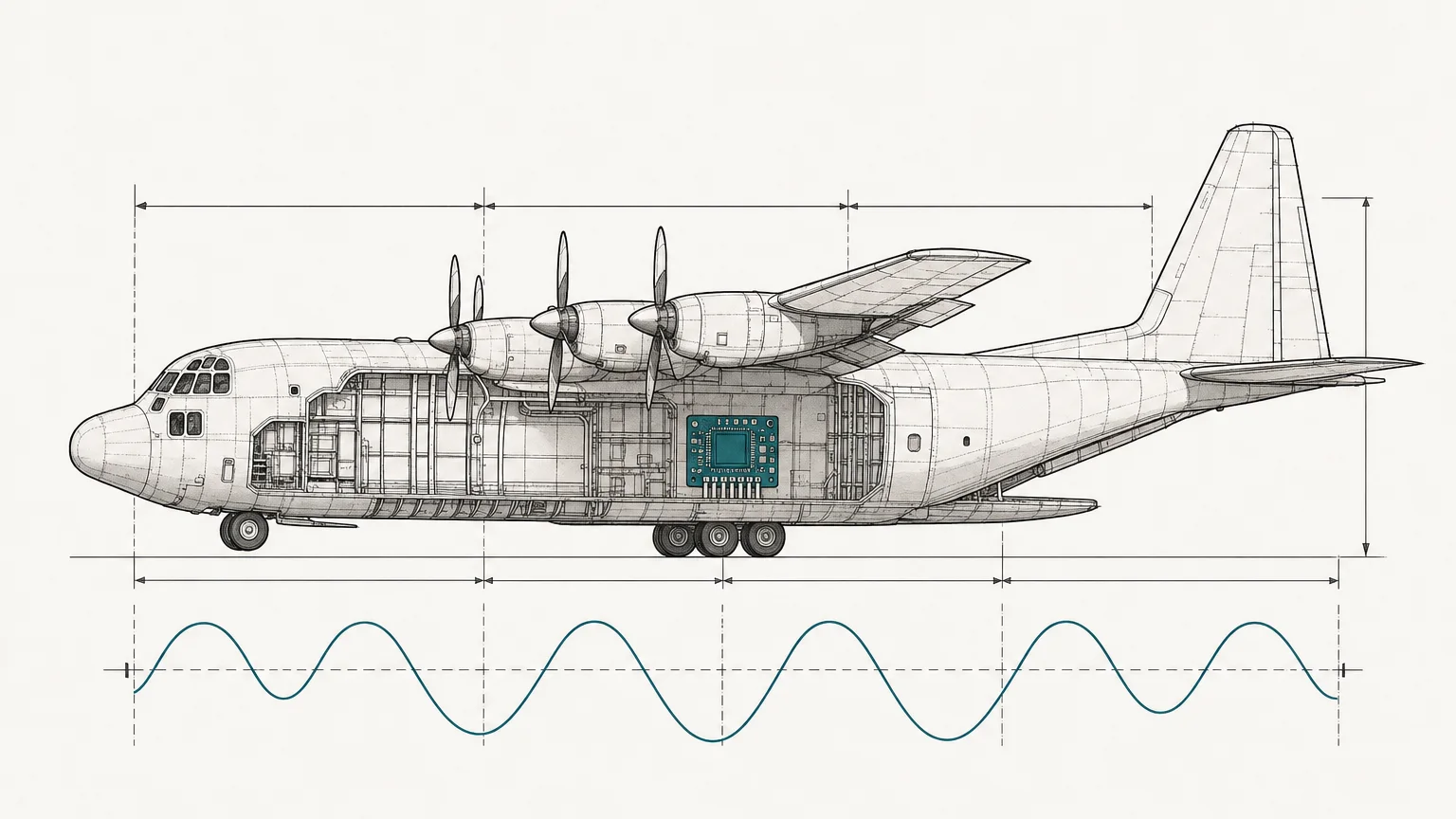
Previously, in my career, I worked on embedded systems where I wrote and tested code for Avionics IO devices associated with aircraft platforms like the C-130 and C-27. That kind of work leaves a…
One thing I think gets underestimated in the current AI cycle is how much structured design still matters, even in systems that use large language models. I’ve seen that very directly in work on…
One thing building real AI systems has reinforced for me is that the model is usually only part of the story. A lot of attention in AI goes to model selection, prompting, or benchmark performance…
One of the fastest ways to see the limits of an AI system is to give it an instruction a human would consider obvious. Put it over there. Grab the one on the left. Move it next to the box. To another…
What SCOUT++ Taught Me About Usable Data
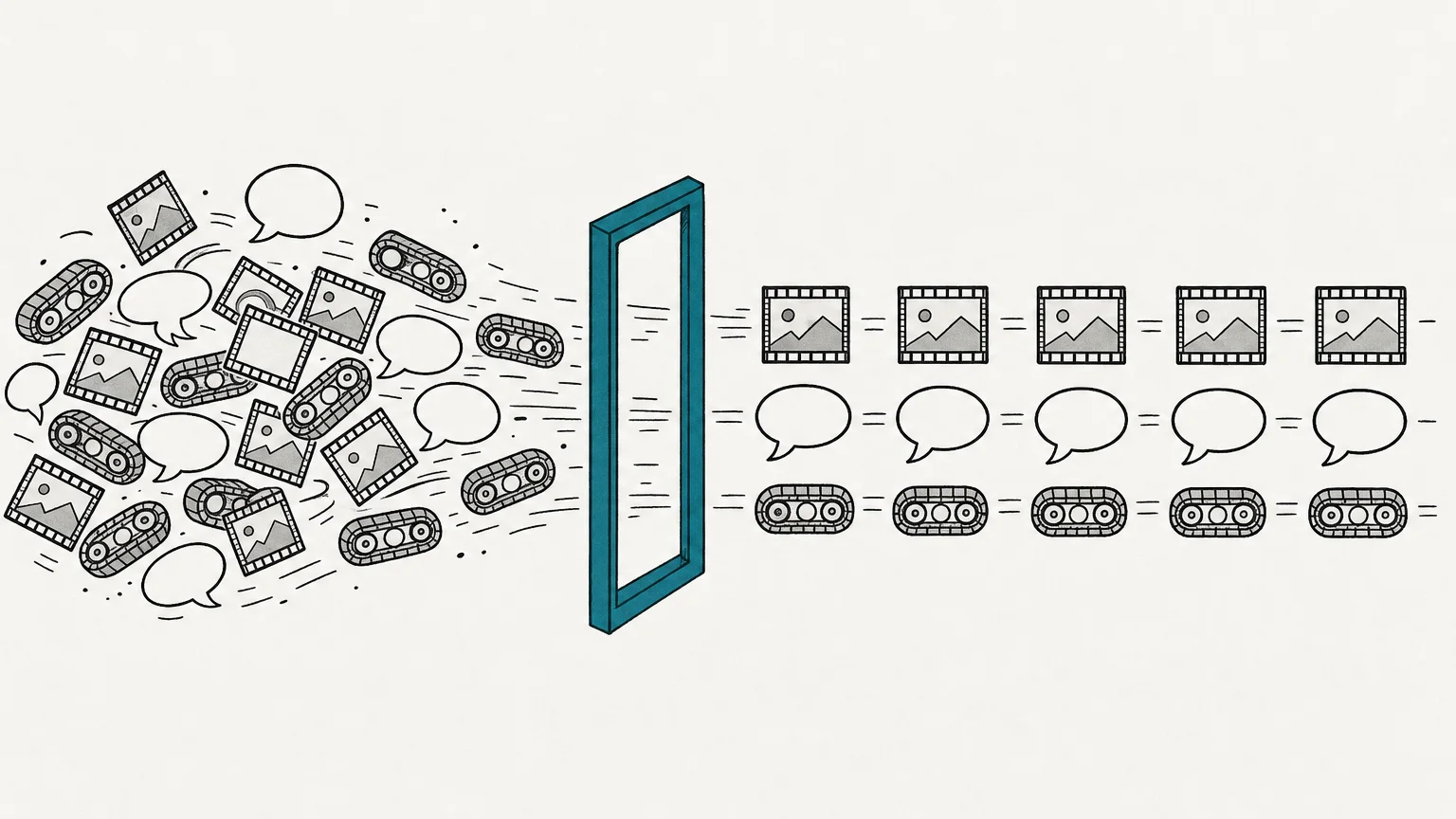
2026-04-13One thing I’ve learned working with real-world multimodal datasets is that “having data” is very different from having data you can actually train on well. A dataset can be rich, interesting, and…
Why I Care About Grounded AI
2026-04-06A lot of AI systems sound intelligent long before they are actually ready to act intelligently. That distinction matters to me because I’ve spent my career working in environments where plausible…
One thing I’ve learned working with real-world multimodal datasets is that “having data” is very different from having data you can actually train models on. The original SCOUT dataset contains rich…