Building TimeSense: An Agentic AI Assistant in Two Weeks
· 4 min read · 0 views
I took a two-week break from research, got bored, and decided to build a fun agentic AI project before getting back to work.
Lately, I have been inspired by the Kryptonian robots in Man of Steel.
In one scene, Jor-El is being led away when his robot comes to speak with him. Jor-El barely has to communicate what he wants. The robot understands his intent, knows what action to take, can contact Lara Lor-Van, and operates almost like an extension of him.
A robot like that is physically embodied agentic AI.
So I decided to build an agentic AI assistant that I like to imagine could someday become one small part of the brain behind a robot like that.
I called it TimeSense.
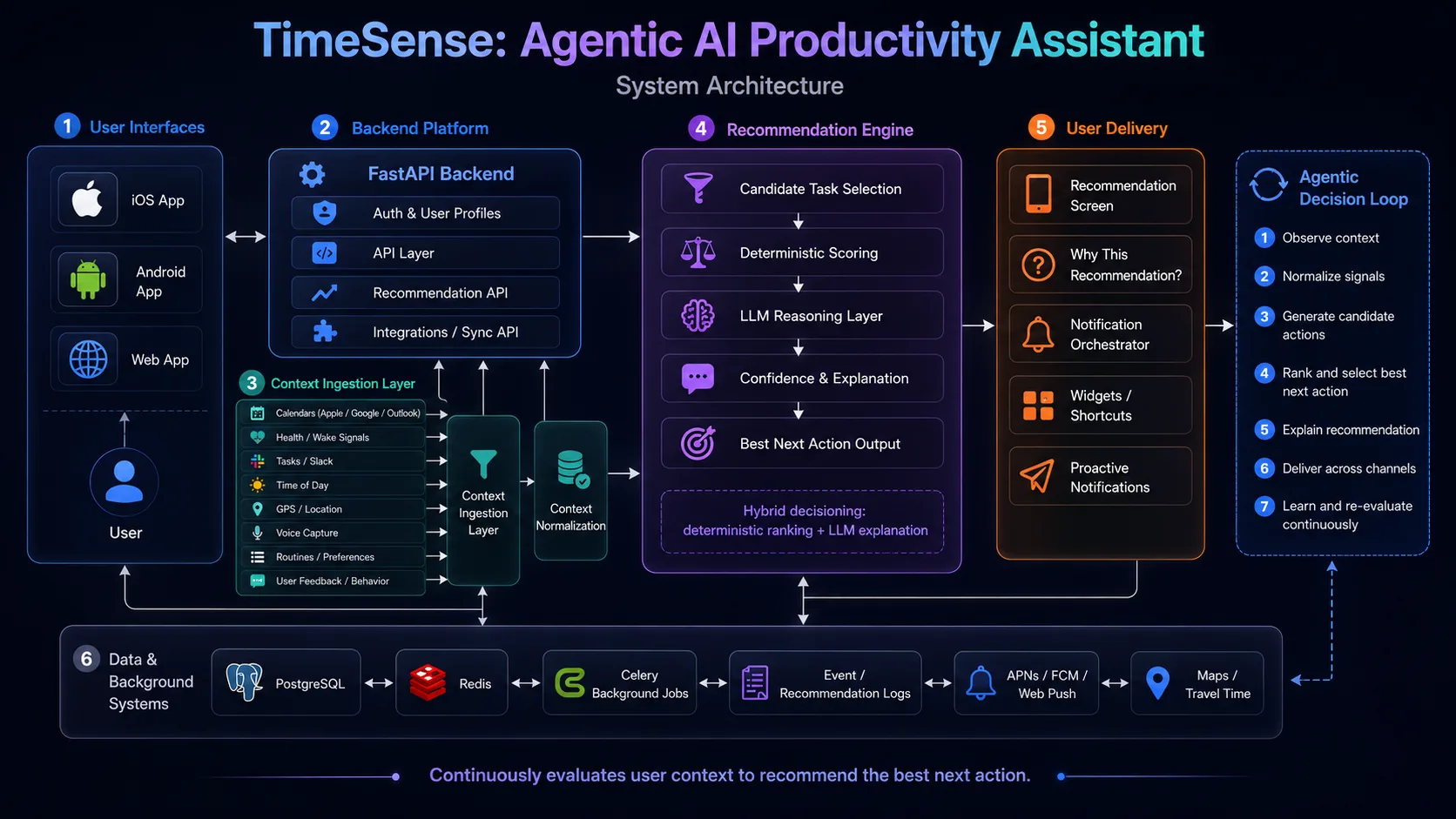
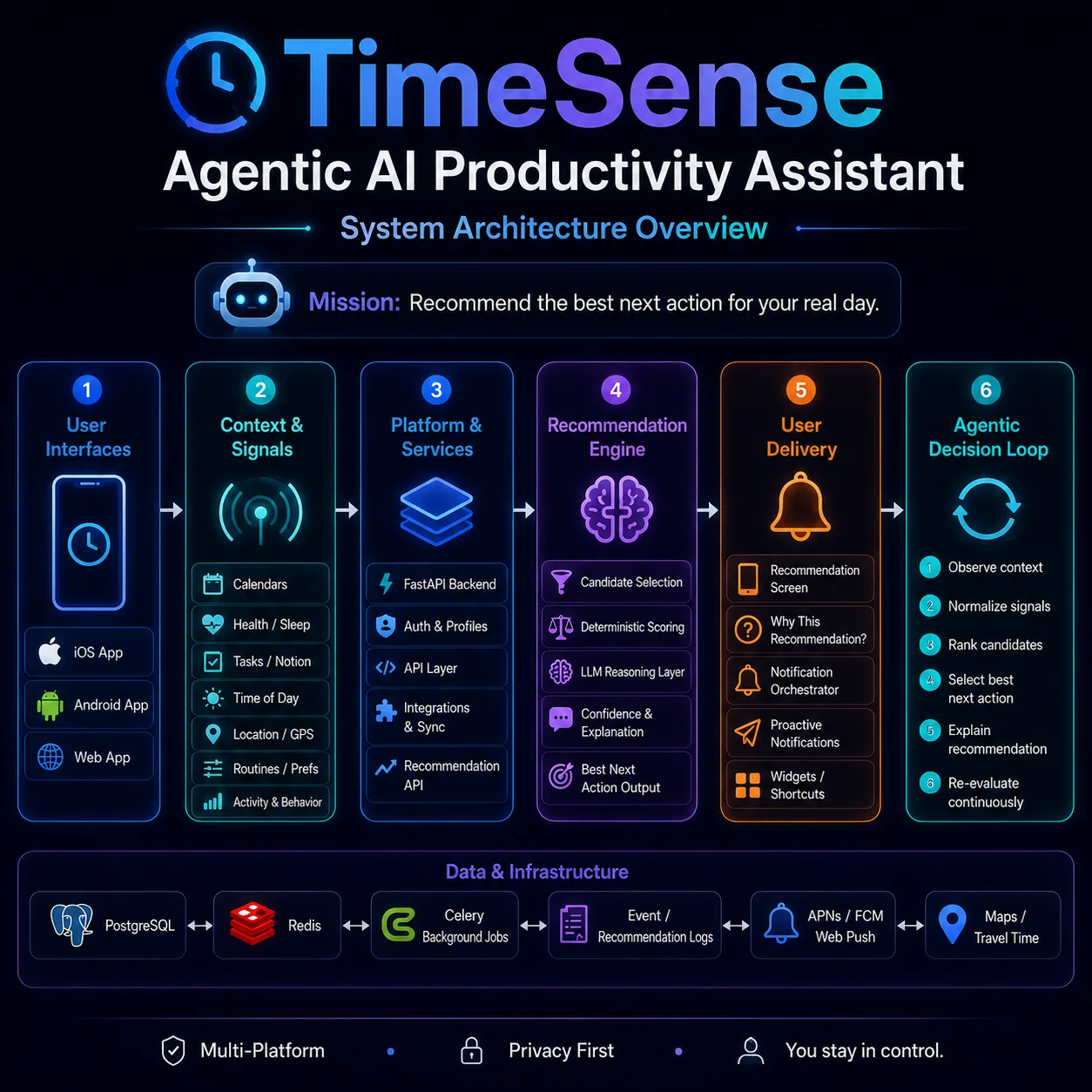
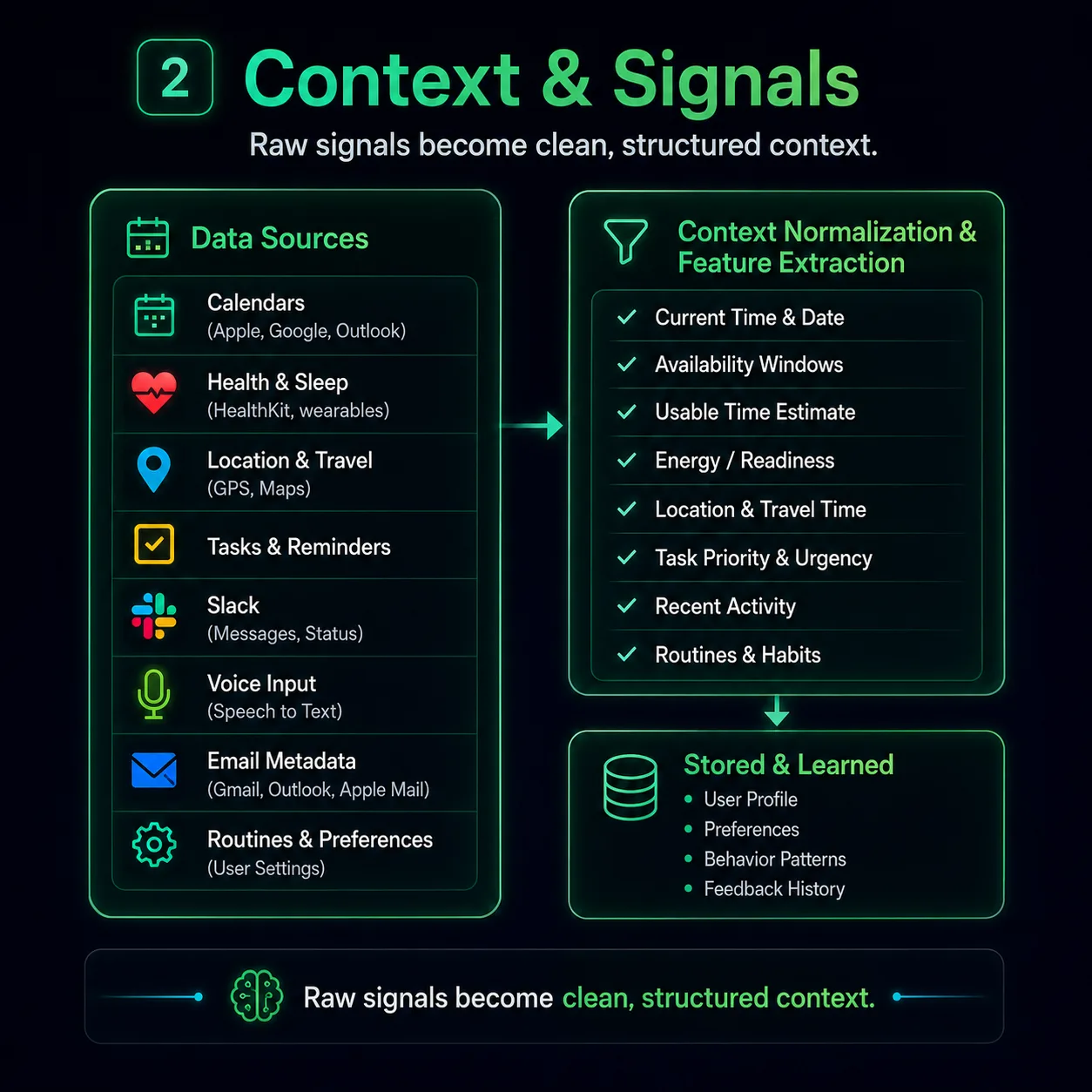
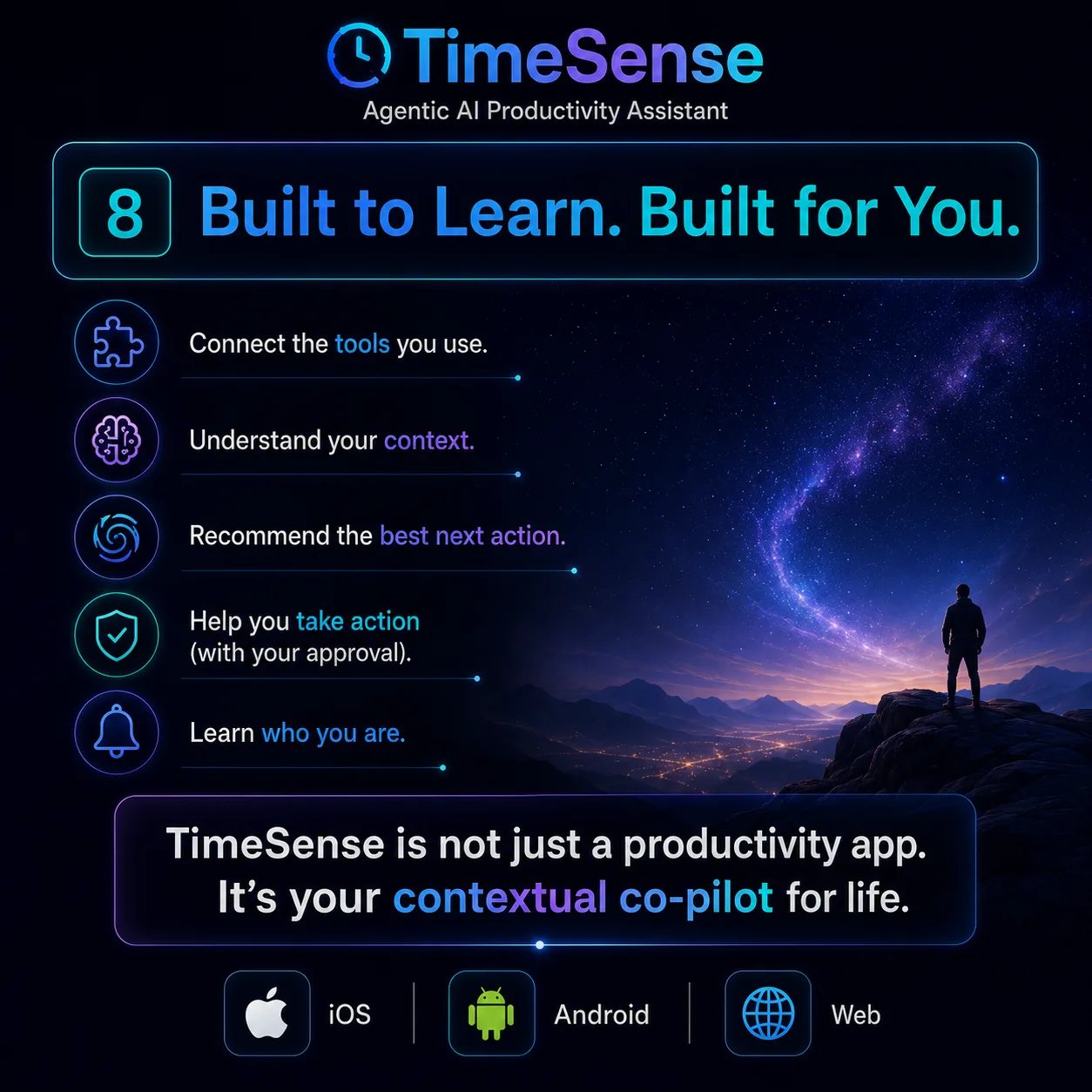
TimeSense connects to the tools and signals that shape my day: calendars, health data, location, Slack, tasks, email, routines, and anything else I decide to plug into it.
I can add tasks as I would in any productivity tool. The difference is that managing them should not become a second job.
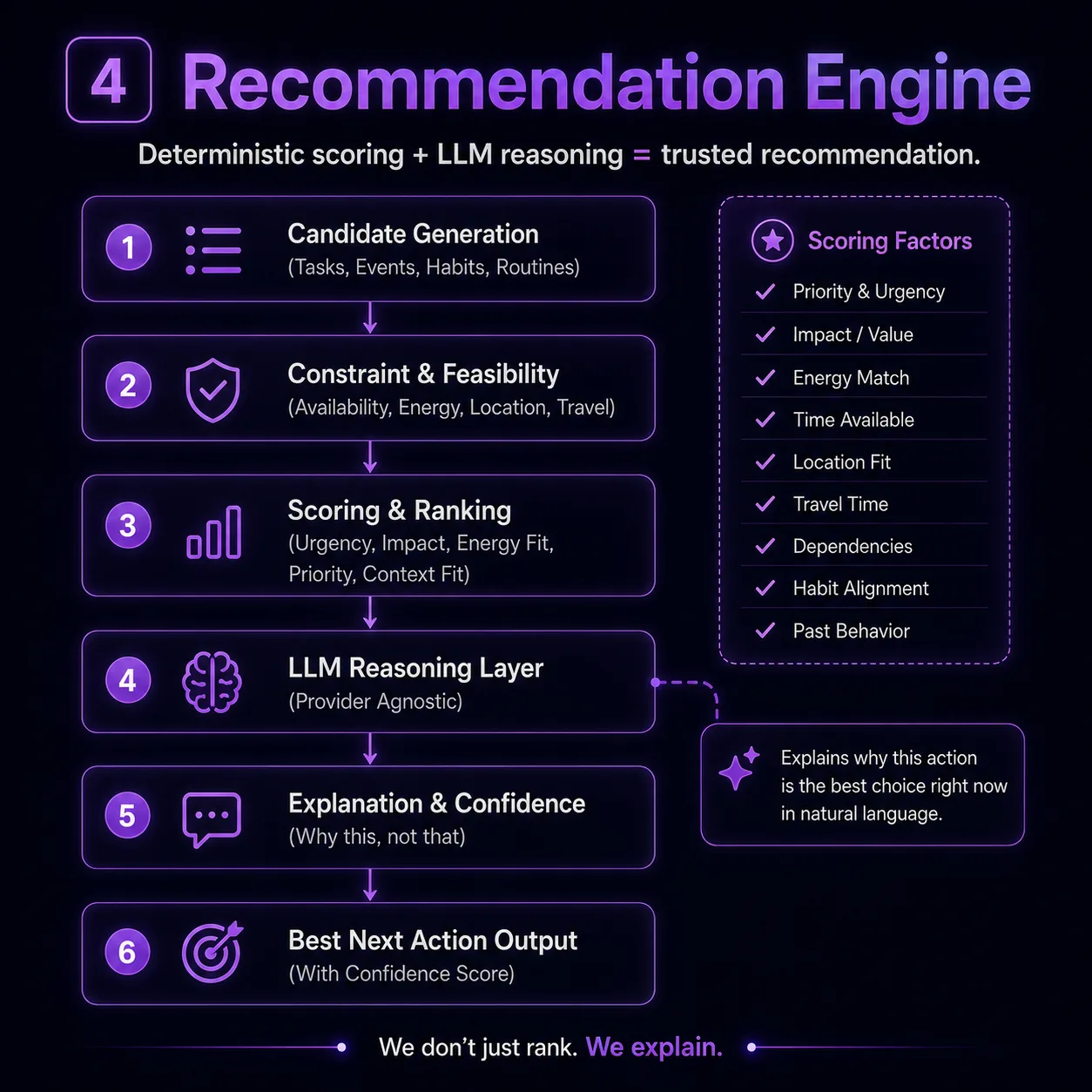
TimeSense continuously evaluates where I am, the time of day, how much usable time I actually have, how much I slept, my energy level, upcoming meetings, travel time, routines, priorities, and past behavior.
It then recommends the best next action.
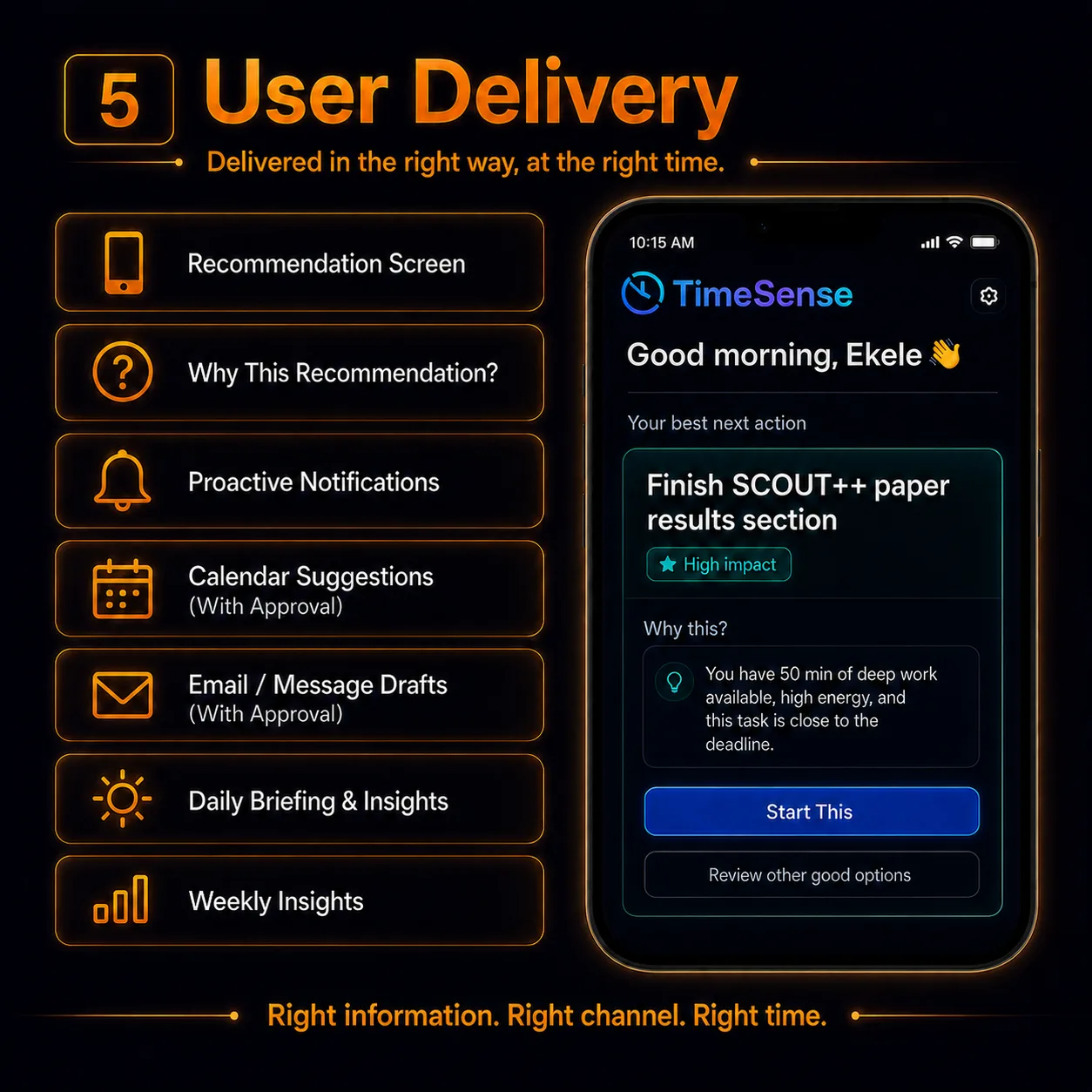
It can also suggest calendar changes, help schedule tasks, and prepare communications such as meeting requests or late-arrival messages—with my approval before anything is sent or changed.
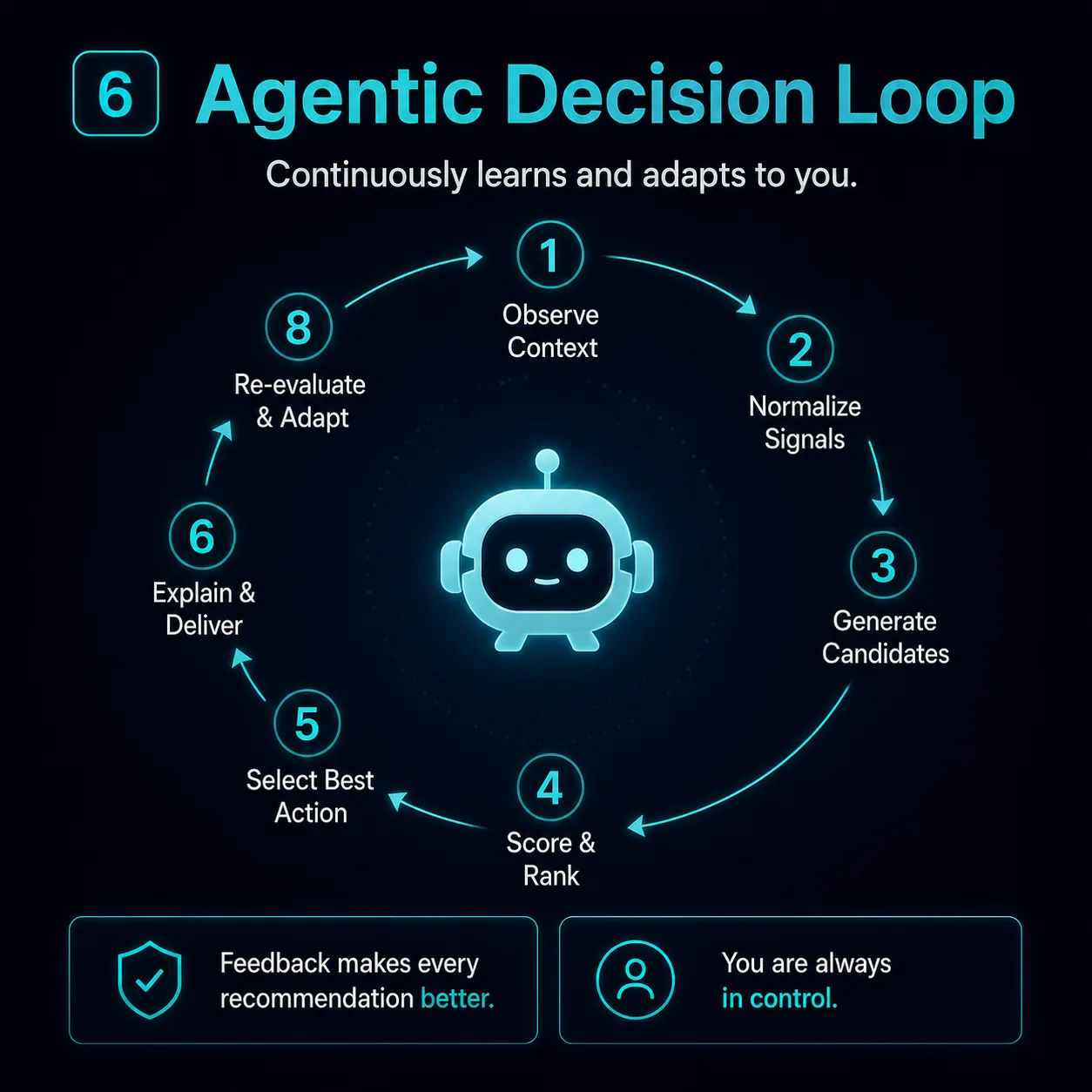
Most importantly, it should continually learn how I actually operate.
Building all of this perfectly in two weeks would be impossible. But building a working version was a lot of fun.
I also used an agentic AI development workflow to build it. Agents created Jira tickets and moved work across a Kanban board. Others handled parts of the GitHub workflow, wrote code, reviewed issues, and ran tests.
My role was to coordinate the system, review major changes, make the architectural decisions, and follow the golden rule of AI-assisted engineering:
We are still responsible for the code we put into the world.
Two weeks later, TimeSense is not perfect. It was never going to be. But it works, and I am ready to start sharing it.
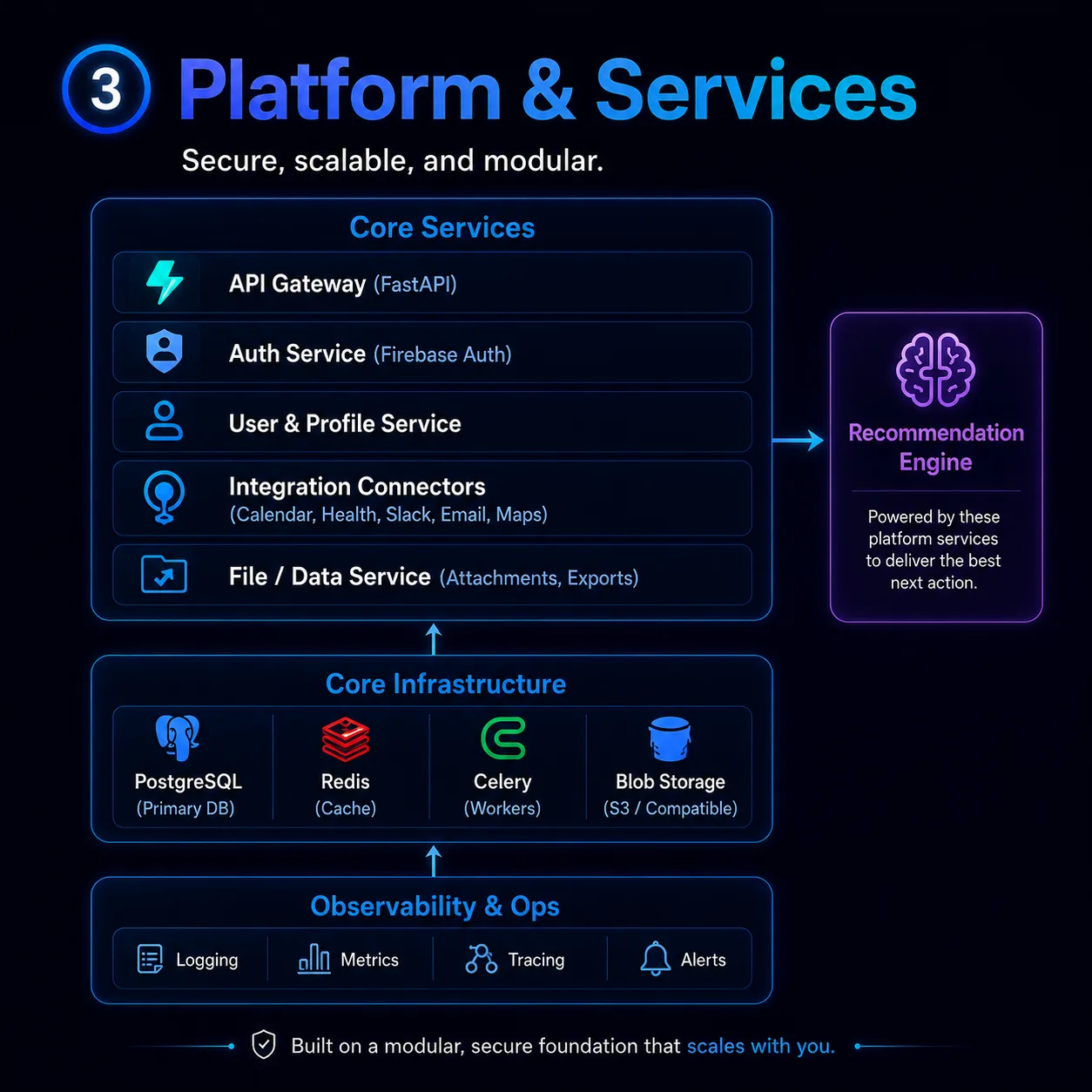
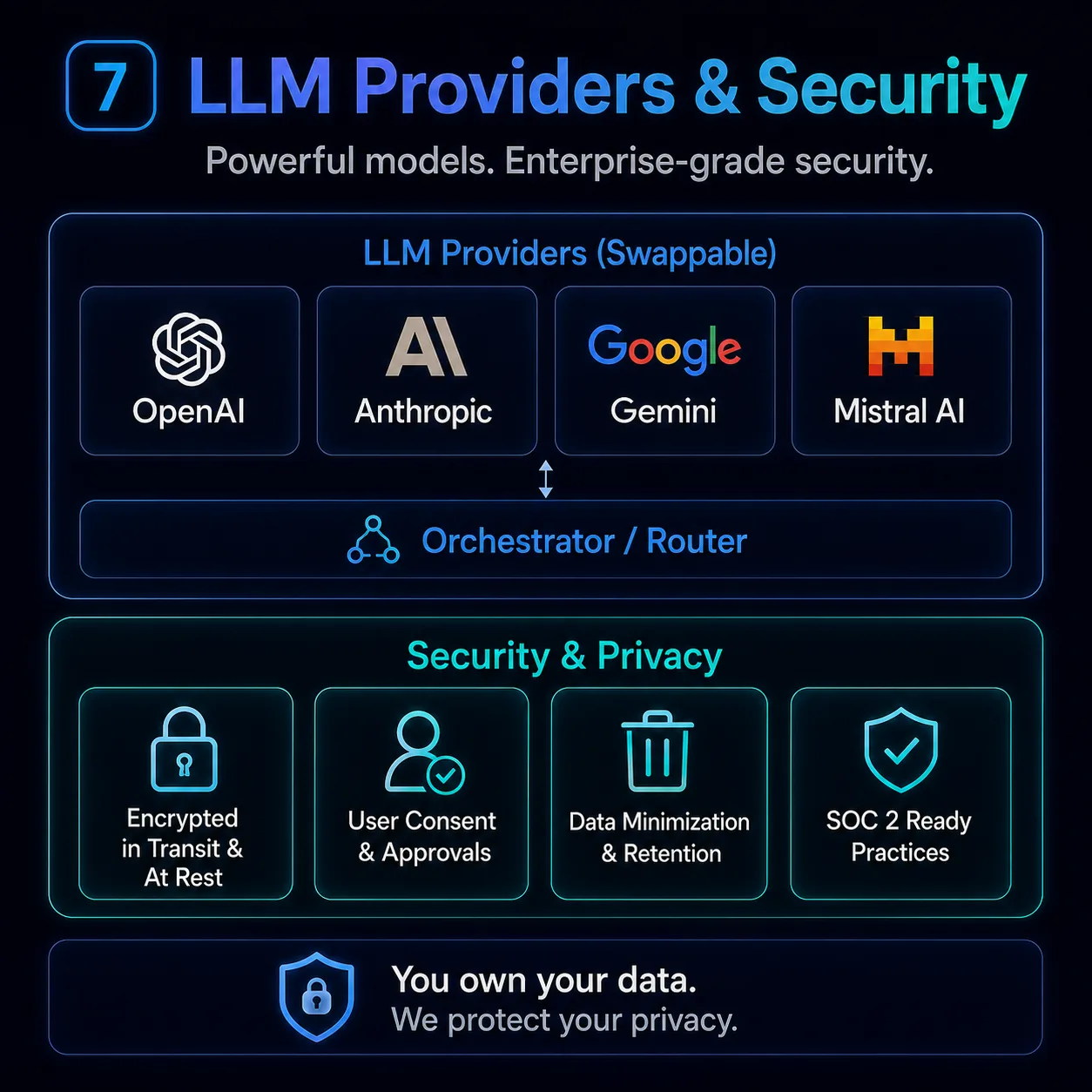
Here is the current system architecture. Video demos start next week.
This is not a startup launch or an attempt to sell anything. It is simply me having fun, experimenting with technology, and enjoying the kind of geeky building that got many of us into this field in the first place.
For everyone who still enjoys disappearing into an ambitious side project during a two-week break, I give you:
TimeSense — an agentic AI productivity assistant.
Originally posted on LinkedIn.