What Mission-Critical Engineering Taught Me About AI Reliability
· 1 min read · 0 views
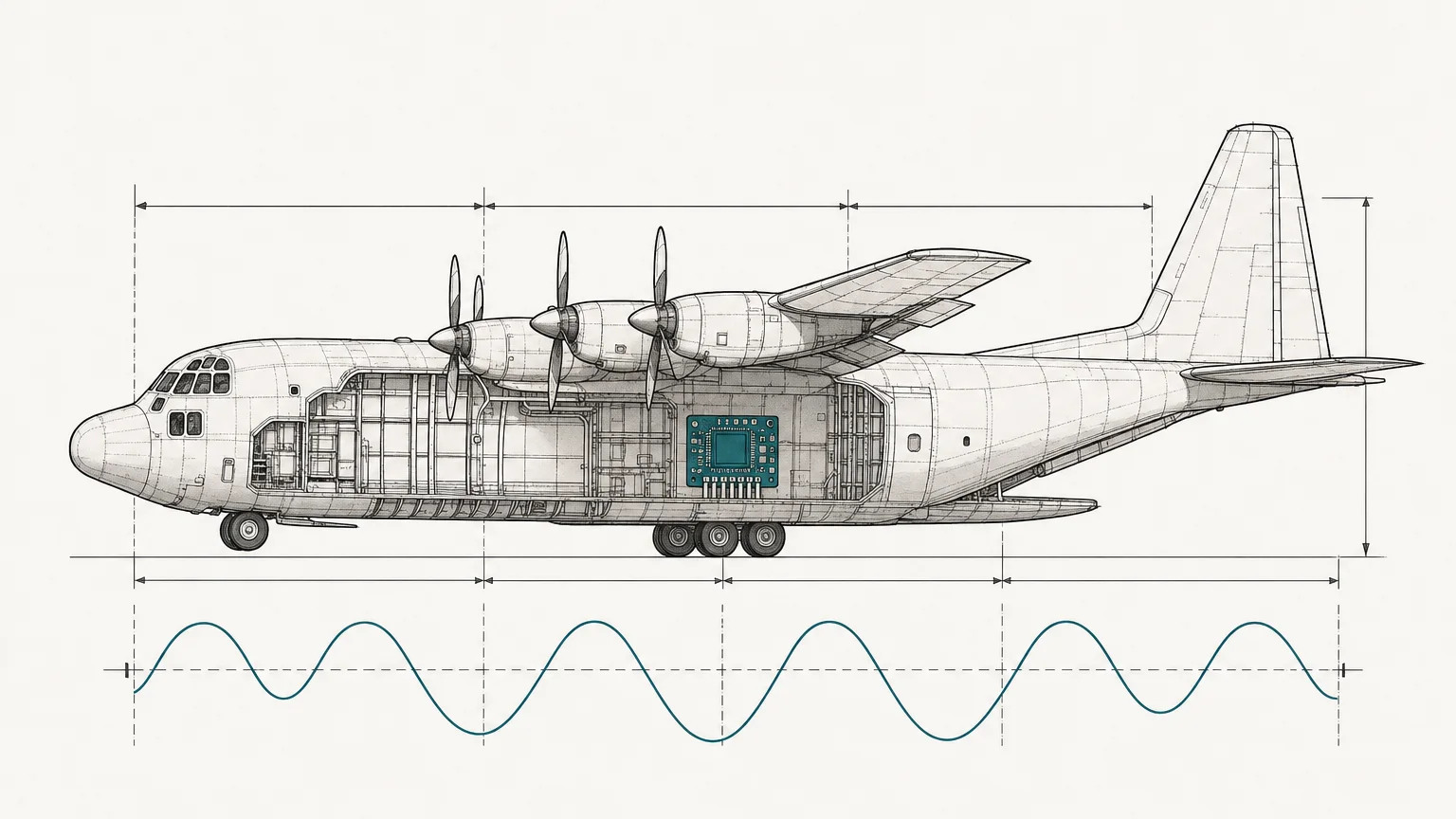
Previously, in my career, I worked on embedded systems where I wrote and tested code for Avionics IO devices associated with aircraft platforms like the C-130 and C-27.
That kind of work leaves a lasting impression.
In environments like that, you do not get to hide behind surface-level success. The system has to behave correctly under constraints. Interfaces matter. Testing matters. Assumptions matter. And reliability is not something you add later as a nice extra.
That experience has shaped how I think about AI.
A lot of AI discussion still focuses on what a model can generate when things go well. I tend to care just as much about how a system behaves when inputs are incomplete, conditions change, or the cost of a wrong decision is no longer trivial.
That is one reason I’m drawn to grounded AI, ambiguity handling, and evaluation that says something about behavior rather than just outputs.
The details are different, but the mindset carries over. A system is not strong because it produces an impressive result once. It is strong because it behaves well when the environment stops being cooperative.
I think AI will need a lot more of that engineering mindset as it continues moving into real workflows and real-world systems.
Originally posted on LinkedIn.